Finding the right influencers for a marketing campaign can take weeks of searching, reviewing social media profiles, and contacting potential partners. Even after identifying suitable creators, brands still need to negotiate collaborations, manage contracts, and track performance. Nectar wants to reduce that workload with a new artificial intelligence tool that handles much of the process automatically.
The Nectar AI agent, officially called Creator Agent, launched on November 12, 2026, to help businesses discover, evaluate, and work with social media creators. The platform can search more than 300 million creator profiles, analyze their content, and identify influencers whose audiences and interests match a brand's marketing goals.
Developed by Palo Alto-based Nectar, the tool goes beyond recommending influencers. It can prepare personalized outreach messages, coordinate product gifting, manage creator information, and monitor campaign results. The company believes this approach could help marketing teams spend less time on repetitive administrative work.
The launch comes as businesses invest more money in influencer marketing. According to the Interactive Advertising Bureau (IAB), US creator advertising spending is expected to reach $44 billion in 2026. As brands expand their creator partnerships, managing hundreds of relationships has become increasingly difficult.
Nectar is positioning its new product as a way to make these partnerships easier to manage. Rather than requiring brands to switch between several marketing tools, the company wants to bring discovery, communication, and campaign management into one system.
How Nectar AI Agent Automates Creator Discovery and Brand Partnerships
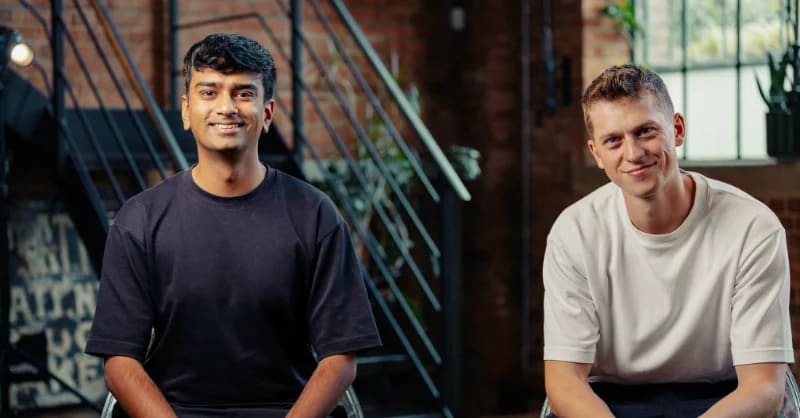
Nectar was founded in 2023 by sisters Misbah and Farah Uraizee, both former Meta employees. The company initially developed artificial intelligence tools to help businesses manage social media conversations, customer interactions, and online engagement. It has since expanded into creator marketing, competitive intelligence, and automated brand communication.
Its latest product builds on that existing platform. Instead of functioning only as an influencer search engine, the Nectar AI agent is designed to manage several stages of a creator marketing campaign. These include identifying suitable partners, reviewing their content, preparing outreach, and organizing ongoing collaborations.
One of its main features is a database containing more than 300 million creator profiles. Brands can use the software to identify influencers whose content, audience, and previous partnerships match their campaign requirements. The system also looks for emerging creators who may have strong engagement despite having relatively small audiences.
This could be particularly useful for businesses looking beyond celebrity influencers. Smaller creators often serve specific communities and produce content focused on particular interests. For brands targeting niche audiences, relevance and engagement may matter more than follower numbers alone.
The Nectar AI agent evaluates creators by examining their actual content rather than relying entirely on profile descriptions or hashtags. According to the company, its system can analyze videos, transcribe spoken content, and assess hundreds of attributes to understand what a creator discusses.
For example, a skincare company searching for creators could identify people who regularly discuss beauty routines, product ingredients, or sensitive skin. The software could also examine whether those creators have previously promoted competing products. This gives marketing teams additional information before approaching potential partners.
Brand safety is another important part of the process. Nectar says its technology reviews posts in context rather than simply flagging individual words. This distinction matters because the same expression can have different meanings depending on how it appears in a video, caption, or conversation.
The company says its safety analysis follows the Global Alliance for Responsible Media framework. However, automated reviews can still make mistakes when interpreting sarcasm, cultural references, or sensitive topics. Brands may therefore need human oversight before making important partnership decisions.
After analyzing potential partners, the system produces ranked recommendations based on their suitability for a campaign. It can also identify new creators as their content begins attracting attention. This allows brands to discover emerging influencers without repeatedly conducting manual searches.
Once a suitable creator has been identified, the Nectar AI agent can help with outreach. The system drafts personalized messages using a brand's communication style and previous interactions. It can also send direct messages and support follow-up communication throughout the collaboration process.
According to Nectar CEO Misbah Uraizee, brands can provide their tone-of-voice guidelines in different formats. The platform then uses those instructions alongside existing communication history to prepare messages. Its goal is to ensure that outreach remains consistent with the brand's identity.
The software also considers differences between social media platforms. A message sent through Instagram may require a different approach from a conversation taking place in a TikTok comment section. Nectar says its system can adjust the wording and tone based on the platform and context.
Beyond communication, the agent can create landing pages to collect information from interested creators. It also helps organize contracts, shipping addresses, product gifting, and other details required for brand collaborations. This reduces the need to manage campaign information across multiple spreadsheets and applications.
Another feature focuses on maintaining long-term relationships with creators. The system remembers previous conversations and partnership history, giving marketing teams a clearer record of their interactions. This could be valuable when brands want to work with the same creators across several campaigns.
Nectar has also introduced a feature that identifies publicly shared personal milestones. These might include an engagement, a new baby, or completing a marathon. The software can suggest a congratulatory message or gift, allowing brands to recognize important moments in a creator's life.
However, businesses will need to use such information carefully. Automated personal messages could feel intrusive if they reference details a creator did not expect a commercial partner to monitor. Meaningful relationships still require judgment, respect, and appropriate boundaries.
Campaign measurement completes the process. The Nectar AI agent can track creator posts and estimate earned media value, a marketing metric used to assess the estimated exposure generated by content. It can also organize results by creator and individual post.
These measurements may help marketing teams compare campaigns and identify productive partnerships. However, earned media value is an estimate rather than proof of sales or profitability. Brands should consider it alongside conversions, audience engagement, and other business outcomes.
Why Nectar AI Agent Could Change the $44 Billion Creator Marketing Industry
The launch reflects a wider shift in how businesses approach influencer marketing. Creator partnerships have become a major advertising channel, but the systems used to manage them have often struggled to keep pace with growing budgets.
The IAB expects US spending on creator advertising to reach $44 billion in 2026, compared with approximately $37 billion in 2025. That growth reflects increasing interest from brands seeking to reach consumers through creators they already follow and trust.
However, finding suitable influencers remains one of the industry's biggest challenges. Brands must consider audience demographics, content quality, reputation, pricing, and campaign objectives before entering partnerships. Managing these requirements becomes harder when a business works with dozens or hundreds of creators.
The Nectar AI agent aims to simplify that process by combining research and campaign operations. Its approach could be particularly valuable for marketing teams that manage frequent campaigns across several product categories or geographic markets.
Nectar is entering a competitive industry. Companies such as Aspire and GRIN already provide influencer marketing platforms with AI-powered features. These tools help brands discover creators, manage collaborations, and analyze campaign performance.
Nectar hopes to differentiate itself by connecting creator marketing with the wider customer intelligence available through its platform. Its existing technology analyzes social media conversations, customer engagement, and brand-related discussions. That information could help businesses identify creators who already have meaningful connections with their products.
The company has attracted substantial investment to support its ambitions. In May 2026, Nectar raised $30 million in a Series A round led by Menlo Ventures, including participation through its Anthology Fund partnership with Anthropic. Other investors include True Ventures, GV, and Kinship Ventures.
According to its November announcement, Nectar has raised approximately $40.6 million since its founding. It also works with hundreds of customers, including Unilever, Nordstrom, e.l.f. Beauty, OLIPOP, Liquid Death, and sweetgreen.
The Creator Agent is available globally to existing Nectar customers as an additional platform component. At launch, it supports Instagram and TikTok creators. The company has not disclosed standardized public pricing for the new feature.
Nectar also plans to make the agent accessible through the Model Context Protocol (MCP). This would allow businesses to connect its capabilities with AI assistants such as ChatGPT, Claude, Gemini, and Microsoft Copilot, as well as custom-built systems.
The planned integration could allow marketing teams to manage creator campaigns without always opening Nectar's main interface. However, the MCP capability remains a future feature rather than something the company has confirmed as generally available today.
For brands, the main attraction is the possibility of managing larger creator programmes without increasing administrative work at the same rate. AI could help identify potential partners, organize information, and handle repetitive communication. This would leave marketing professionals more time to develop creative strategies and maintain valuable relationships.
Still, automation introduces its own challenges. Inaccurate recommendations, poorly written messages, and excessive outreach could damage relationships with creators. Businesses will need to balance speed with authenticity and ensure that automated decisions receive appropriate supervision.
For creators, the new technology could also change how commercial opportunities arrive. Smaller influencers may gain visibility with brands that previously overlooked them. At the same time, an increase in automated outreach could make it harder to distinguish meaningful partnership offers from generic messages.
Nectar's success will therefore depend on more than the number of profiles its software can analyze. Brands will want evidence that its recommendations lead to productive partnerships, stronger campaigns, and measurable business results.
The launch shows how artificial intelligence is moving deeper into marketing operations. Instead of assisting with individual tasks, AI agents are increasingly being developed to coordinate entire workflows.
With the Nectar AI agent now available for Instagram and TikTok campaigns, the company is testing whether creator marketing can become faster and more manageable without losing the personal relationships that make it effective. Its ability to balance automation with authentic engagement will be important as competition in the creator economy continues to grow.