Oura Acquires Counsel Health for $625M to Bring AI Doctors Into Its Smart Ring Ecosystem
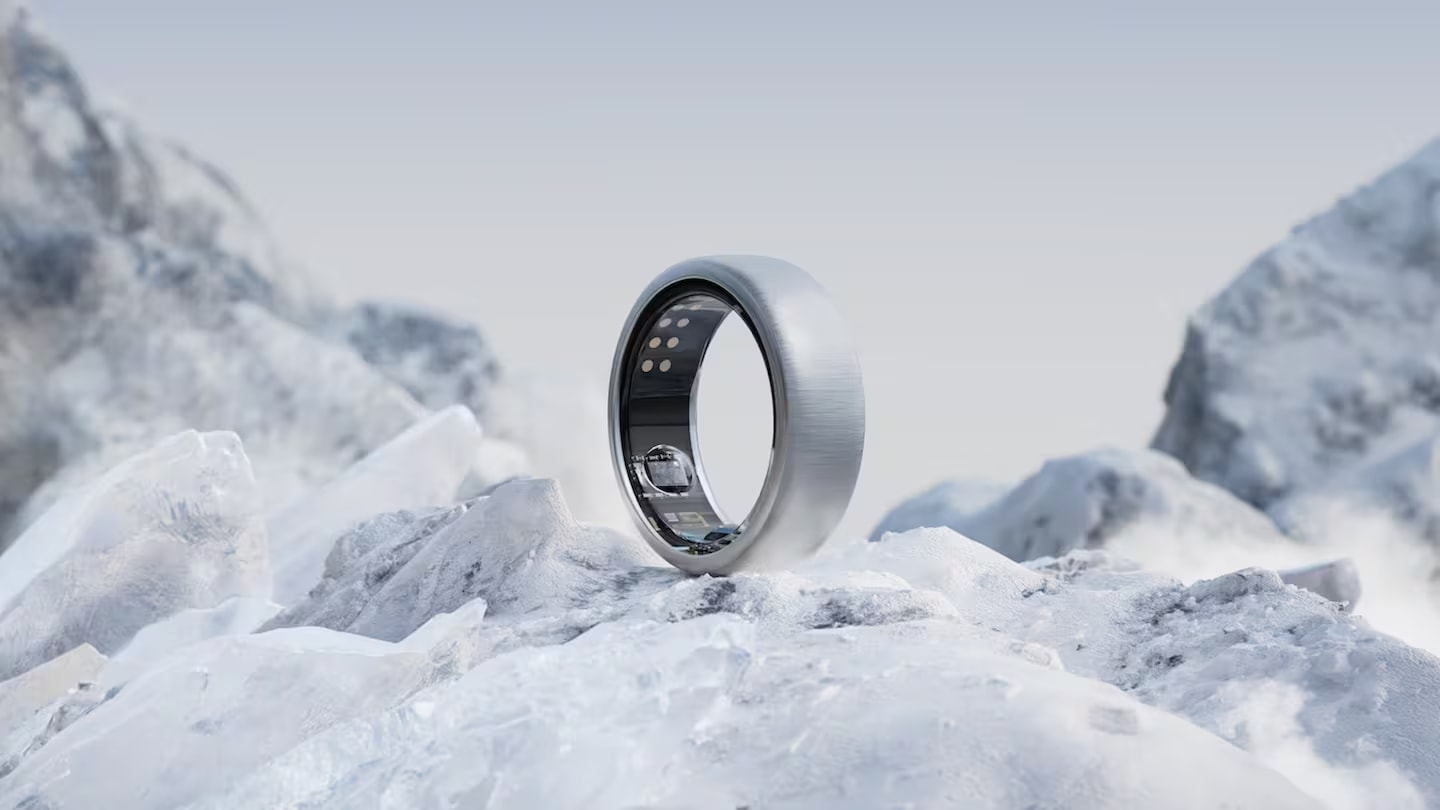
Oura has agreed to acquire AI-powered healthcare startup Counsel Health for $625 million in cash, marking a major expansion beyond smart rings and fitness tracking. The Oura Counsel Health acquisition will combine continuous health monitoring with artificial intelligence and access to licensed physicians. The deal comes weeks after the company postponed its planned stock market listing because of uncertainty in the IPO market.
The Finnish-founded health technology company announced the agreement on November 10, 2026, as it reported strong revenue growth and rising demand for its wearable devices. Oura wants to help customers do more with the health information collected by their rings, rather than simply presenting measurements about sleep, activity and recovery. With Counsel's technology, eligible users can receive medical guidance and connect with physicians directly through the Oura app.
The acquisition represents a significant strategic move for a company best known for monitoring everyday health patterns. Millions of people already use Oura rings to track changes in their bodies, but understanding what those changes mean can require professional medical advice. By bringing an AI-powered primary care platform into its business, Oura hopes to make that transition easier.
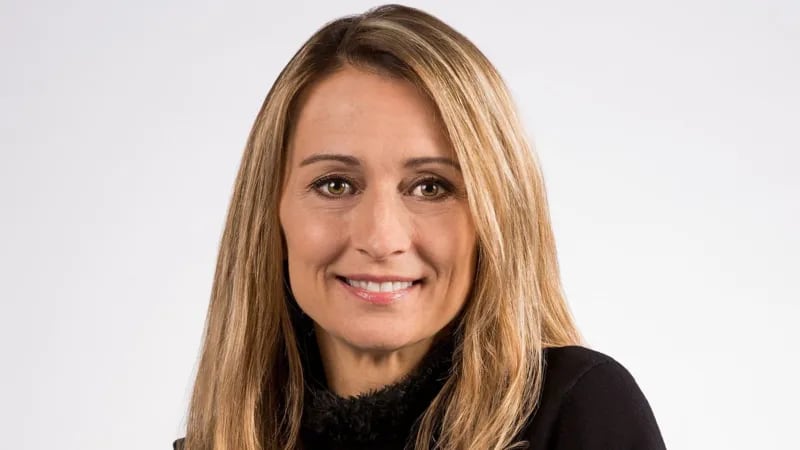
Counsel Health, founded by physician and AI researcher Dr. Muthu Alagappan, provides a messaging-based medical service supported by board-certified doctors. Its technology helps users describe symptoms, review relevant health information and determine when a physician should become involved. The company will continue serving its existing healthcare partners after the acquisition, which is expected to close before the end of 2026.
How the Oura Counsel Health Acquisition Could Change Healthcare
The Oura Counsel Health acquisition builds on an existing partnership between the two companies that began earlier in 2026. In June, Oura introduced access to Counsel's medical AI and physicians through its experimental Oura Labs programme. The initial rollout covered eligible members in 43 US states, providing an early opportunity to test how wearable data could support medical conversations.
The service allows participating members to begin by asking Counsel's AI questions about their health. The system can consider information such as symptoms, medical history and relevant Oura measurements before providing guidance. When a situation requires clinical assessment, users can request a consultation with a licensed physician.
This arrangement could be useful for people who notice unusual changes in their daily health readings. For example, an Oura member might observe a sustained increase in resting heart rate alongside poor sleep and unusual fatigue. Rather than relying on an automated wellness score to interpret those changes, the person could discuss their concerns with a medical professional.
However, Oura's measurements are not a substitute for clinical diagnosis. The Oura Ring is marketed as a wellness device, and its health insights should be interpreted alongside symptoms, medical history and appropriate tests. Counsel's physicians remain responsible for clinical decisions, including diagnoses, prescriptions and referrals.
Counsel uses several specialised AI systems to support its medical service. These tools assist with gathering patient histories, reviewing medical records, consulting clinical guidelines and identifying potentially urgent situations. The company says its systems undergo safety and performance evaluations, with physicians providing feedback to improve their operation.
The technology also supports clinicians through a system called Clinician Cockpit. This interface brings together relevant patient information, past interactions and longer-term health trends. It aims to reduce the time doctors spend reviewing records while helping them make better-informed decisions.
Oura and Counsel plan to expand their work across three areas of healthcare. The first involves preventive care, where continuous monitoring could help identify changes that deserve further attention. The second focuses on acute care, including short-term medical concerns that may require timely consultation or treatment.
The third area involves specialty and chronic care, where patients often need support over extended periods. The companies have identified reproductive health, ageing and cardiometabolic conditions as potential areas for further development. However, these plans should not be confused with a guarantee that every service is already available to all Oura members.
The June rollout also introduced important limitations around access and pricing. Eligible users could access medical AI chat through their existing Oura membership, while consultations and treatment by physicians could involve additional charges. The service was optional and was not intended to replace emergency medical care.
Following the acquisition announcement, Oura said more than 90% of surveyed members who used Counsel believed their Oura data helped them receive better care. Users who consulted Counsel physicians gave their experience an average rating of 4.6 out of five. However, these are company-reported satisfaction measures rather than independently verified evidence of improved clinical outcomes.
The broader opportunity lies in connecting the information people collect every day with the healthcare services they need. Many wearable devices can alert users to changes in their physical condition, but the next steps often happen through separate providers. Oura is attempting to bring those experiences closer together while keeping medical professionals involved.
Why Oura Is Spending $625 Million After Delaying Its IPO
The Oura Counsel Health acquisition comes at an important moment for the company's financial strategy. On September 29, 2026, Oura postponed plans to list its shares on the Nasdaq, citing uncertainty in the public offering market. The company had been preparing to raise as much as $2.2 billion through an offering of 50 million shares.
The proposed IPO would have allowed investors and employees to sell shares while giving the company a publicly traded valuation. However, rising market uncertainty and weaker conditions for new technology listings influenced its decision to wait. Oura has not announced a replacement date for the offering.
Despite postponing the listing, the company has continued investing in expansion. The $625 million acquisition demonstrates its willingness to deploy substantial capital while remaining privately held. It also suggests that management sees clinical services as an important opportunity for future growth.
Oura's latest financial figures help explain that confidence. The company reported preliminary revenue of approximately $533 million for the quarter ended September 30, 2026, an increase of 153% compared with the previous year. It also generated $87 million in adjusted earnings before interest, taxes, depreciation and amortisation during the quarter.
For its full fiscal year, Oura reported approximately $1.75 billion in revenue, representing annual growth of 92%. These figures remain preliminary and unaudited, meaning they could change when the company completes its financial review. Nevertheless, they indicate significant demand for its products and services.
Oura also reports having more than six million members, providing a large potential audience for additional healthcare offerings. The company reached an estimated $11 billion valuation after raising more than $900 million in October 2025. Its growth has attracted attention as competition increases in the smart-ring market.
Rivals including Samsung, Ultrahuman and RingConn are developing wearable devices with increasingly advanced health-tracking capabilities. As more companies introduce similar sensors and wellness features, Oura faces pressure to offer something beyond hardware improvements. Connecting its platform with physician-supervised healthcare could help distinguish its services.
Counsel brings an additional business opportunity through its relationships with employers, health plans, healthcare systems and consumer health organisations. Its founder said the platform was already available to more than eight million Americans through partnerships before the acquisition. These relationships could help Oura expand its healthcare presence beyond people who own its rings.
Importantly, Counsel will continue serving customers who do not use Oura products. Existing users of Counsel's consumer application can also continue accessing its services under the current arrangements. This means the acquisition is intended to expand the healthcare business rather than restrict it to Oura's existing members.
Alagappan is expected to join Oura as chief clinical AI officer, bringing his experience in medical research and AI-supported care into the company's leadership. Counsel's workforce will also become part of Oura, supporting the continued development of the platform. The combination will bring together wearable technology engineers, AI researchers and medical professionals.
However, turning health-tracking data into trusted clinical services presents challenges that extend beyond technology. Oura will need to protect sensitive patient information, maintain appropriate consent procedures and demonstrate that its AI systems support safe medical decisions. Healthcare providers and regulators will also expect clear boundaries between automated guidance and professional treatment.
As of November 11, 2026, the acquisition remains subject to customary closing conditions and has not been completed. The companies have not announced that every planned healthcare service will become immediately available following the transaction. Further expansion will depend on integration, clinical oversight and the requirements of different healthcare markets.
For Oura, the investment could reshape its position within the growing digital health industry. The company already helps millions of people understand changes in their bodies, and Counsel offers a way to connect some of those insights with medical support. Its success will depend on whether that combination delivers reliable, accessible care while maintaining the trust that healthcare decisions require.