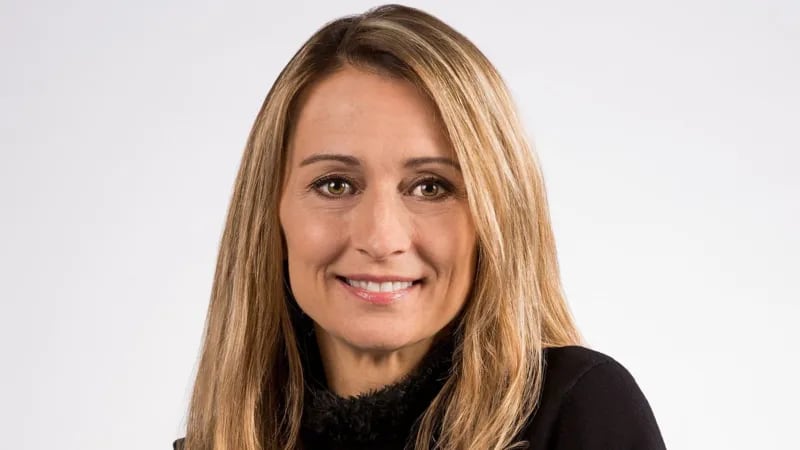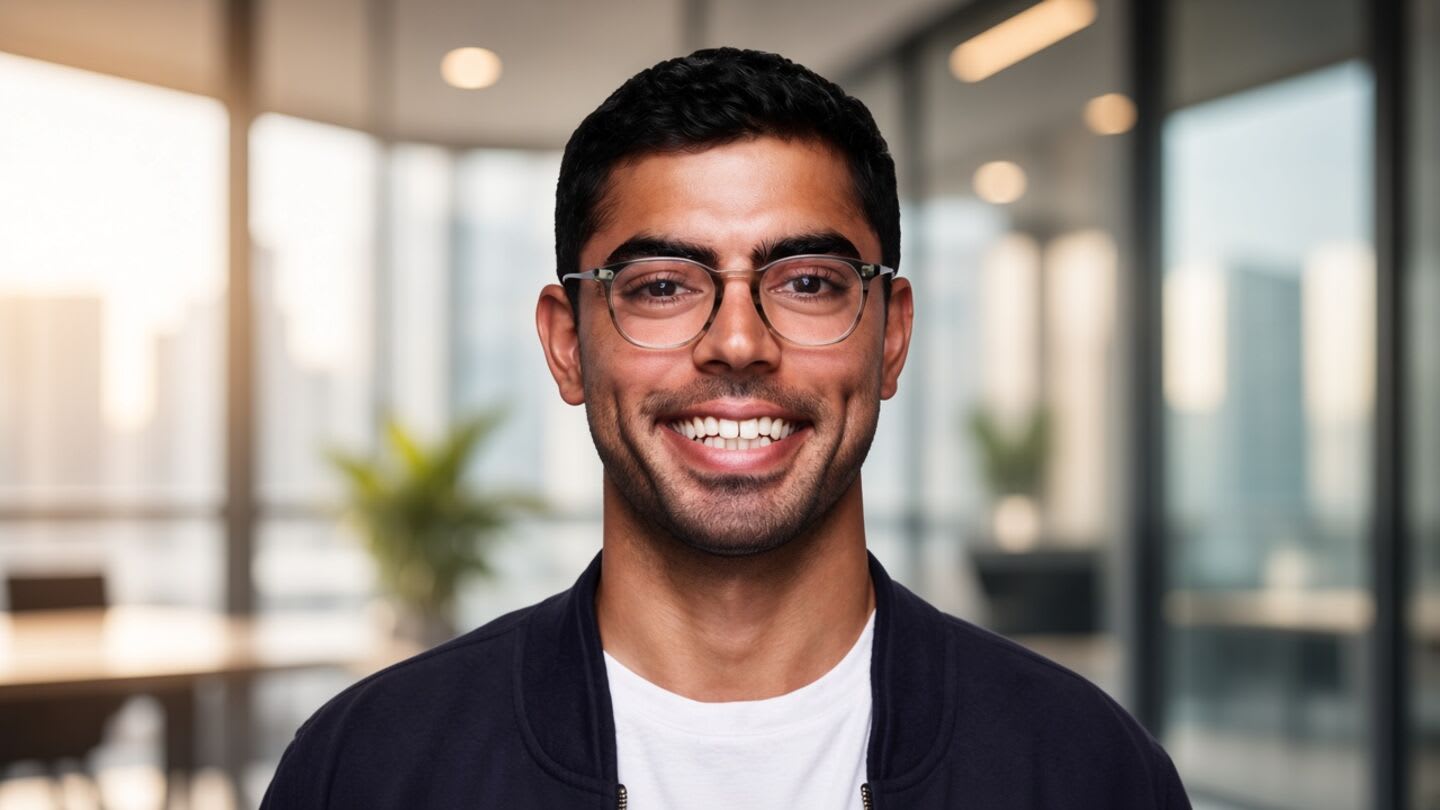
Proximal Ventures has raised $27.5 million for its first venture capital fund, targeting startups that use artificial intelligence to improve drug development. The San Francisco-based investment firm, founded by Sahir Raoof, wants to help pharmaceutical companies reduce costs and accelerate their operations. Its debut fund comes as investors show growing interest in AI applications across healthcare and life sciences.
The funding is particularly significant because raising capital has become increasingly difficult for first-time venture fund managers. While established investment firms continue attracting major financial commitments, newer firms face greater pressure to prove their value. However, Proximal Ventures managed to exceed its initial $25 million fundraising target, securing support from several prominent investors.
Announced on November 10, 2026, the fund will support early-stage companies developing AI-powered infrastructure and services for the pharmaceutical industry. These businesses could help drugmakers improve clinical trials, manufacturing processes, research operations, and commercial activities. Raoof believes the biggest opportunities extend beyond discovering new medicines to improving how those medicines reach patients.
Pharmaceutical companies spend substantial amounts outsourcing specialized work to external service providers. These activities include testing molecular compounds, organizing clinical research, analyzing medical information, and preparing treatments for large-scale production. Proximal Ventures sees an opportunity for AI startups to make these services faster, more affordable, and easier to manage.
How Proximal Ventures Plans to Transform Drug Development With AI
Proximal Ventures is focusing on an area of healthcare that has traditionally depended heavily on specialized service companies. Developing a new medicine requires much more than identifying a promising molecule in a laboratory. Drugmakers must also conduct trials, meet regulatory requirements, establish manufacturing processes, and prepare products for commercial distribution.
Each stage involves complex tasks that often require significant time, money, and specialist expertise. As a result, pharmaceutical businesses regularly hire outside companies to handle work they cannot efficiently complete internally. Raoof believes artificial intelligence could reduce this dependence by automating parts of the services these companies provide.
For years, pharmaceutical companies have been more willing to purchase services than adopt standalone software products. However, advances in AI are creating opportunities for startups to offer technology that performs some of those services directly. This could allow pharmaceutical businesses to complete certain activities more efficiently without compromising necessary scientific oversight.
For instance, AI-powered systems can help researchers organize large datasets, identify patterns in clinical information, and support complex research decisions. Similar tools could improve manufacturing planning, document processing, and the management of clinical trial operations. Nevertheless, these technologies must demonstrate accuracy, reliability, and compliance before pharmaceutical companies can depend on them.
Raoof's investment approach reflects a broader shift in how venture capital firms evaluate artificial intelligence businesses. Although AI drug discovery has attracted considerable attention, important opportunities also exist in the infrastructure supporting drug development. Companies that solve expensive operational problems could become valuable partners to pharmaceutical manufacturers and research organizations.
Proximal Ventures plans to invest primarily in pre-seed and seed-stage startups, with reported investment amounts ranging from $500,000 to $1.5 million. These investments will target companies developing technology across the life sciences industry. The firm also intends to support founders with business strategy, industry connections, and access to potential customers.
One of its early investments is Chronicle Bio, a startup using artificial intelligence to study biological and medical data. The company focuses on improving the understanding of complex chronic diseases and identifying possible treatment opportunities. Its work reflects the growing interest in using advanced computing systems to analyze health information that traditional research methods may struggle to process efficiently.
However, Proximal Ventures is not limiting its strategy to companies conducting medical research. Its investment scope also includes businesses working on pharmaceutical manufacturing, clinical development, and commercialization. This wider approach could help the firm identify startups addressing problems across several stages of the drug development process.
The firm's interest in pharmaceutical services also reflects the scale of spending within the industry. Drugmakers spend hundreds of billions of dollars annually on external services supporting the development and delivery of medicines. Capturing even a small portion of this market could create significant opportunities for startups with proven AI solutions.
Why Major Investors Are Backing Proximal Ventures' $27.5M Fund
Proximal Ventures has attracted support from several established investment firms despite the difficult fundraising environment. Its backers include SignalFire, Kleiner Perkins, Domino Lane, Bertelsmann Healthcare Investments, and PagsGroup. Nan Li and Zavain Dar, co-founders of Dimension Capital, are also among the individual investors supporting the fund.
Their involvement highlights confidence in both the firm's investment strategy and Raoof's experience in healthcare technology. Before launching Proximal Ventures, Raoof worked as a principal at SignalFire, focusing on investments in biotechnology and pharmaceutical technology. He also held commercial leadership roles at companies operating directly within the healthcare industry.
At Iterative Health, Raoof served as vice president of business development, working on commercial relationships in healthcare and life sciences. Earlier, he developed pharmaceutical research partnerships at Flatiron Health, a company specializing in oncology data and technology. Roche acquired Flatiron Health in 2018 through a transaction valued at approximately $1.9 billion.
These roles gave Raoof experience working with pharmaceutical companies, healthcare organizations, and businesses developing specialized medical technologies. More importantly, they exposed him to the difficulties startups face when trying to secure their first major industry customers. Those challenges can determine whether a promising healthcare technology becomes a sustainable business.
Unlike many consumer technology companies, healthcare startups often face lengthy sales processes and complex purchasing requirements. Pharmaceutical customers may demand extensive testing, evidence of regulatory compliance, and proof that new technology can improve existing operations. Consequently, securing an initial commercial partnership can require considerable time and resources.
Proximal Ventures aims to address these challenges by helping founders build relationships with decision-makers across the pharmaceutical industry. Its support extends beyond financial investment to business development, market positioning, and access to experienced advisers. This approach could be particularly valuable for early-stage companies with strong technology but limited commercial experience.
Among the firm's supporters is Amy Abernethy, co-founder of Highlander Health and former principal deputy commissioner of the US Food and Drug Administration. Abernethy previously worked with Raoof at Flatiron Health, where she served as chief medical officer. Her involvement adds experience in medical research, healthcare technology, and regulatory matters to Proximal's network.
The firm's advisory network also includes Kim Branson, chief AI officer at pharmaceutical company GSK. Access to industry leaders could help portfolio companies better understand the technical and commercial requirements of potential pharmaceutical customers. It may also create opportunities for founders to develop products around problems that healthcare organizations actively want to solve.
Beyond its investor network, Proximal Ventures enters a market where AI promises major changes but still faces practical limitations. Pharmaceutical businesses must protect sensitive information, meet strict regulatory standards, and validate the reliability of new technologies. Therefore, startups will need more than impressive AI demonstrations to win long-term contracts.
For investors, the challenge will be identifying companies capable of delivering measurable improvements while meeting these demanding requirements. Businesses that reduce operational costs, shorten development timelines, or improve data quality could attract significant commercial interest. However, successful adoption will depend on evidence that their technology performs reliably in real healthcare environments.
With its $27.5 million debut fund secured, Proximal Ventures is positioning itself to support companies tackling these challenges at an early stage. Raoof's experience and the firm's industry relationships could help emerging startups navigate a difficult pharmaceutical market. As artificial intelligence becomes more involved in drug development, the success of these investments will depend on whether the technology delivers meaningful results for drugmakers and patients.