ASML export restrictions are threatening to undermine improving trade relations between China and the European Union, as Beijing warns that continued limits on semiconductor manufacturing equipment could affect future technology cooperation. The warning came on November 17, 2026, from Chinese diplomat Qu Xun, who questioned Europe's approach to technology sharing during an interview in Madrid.
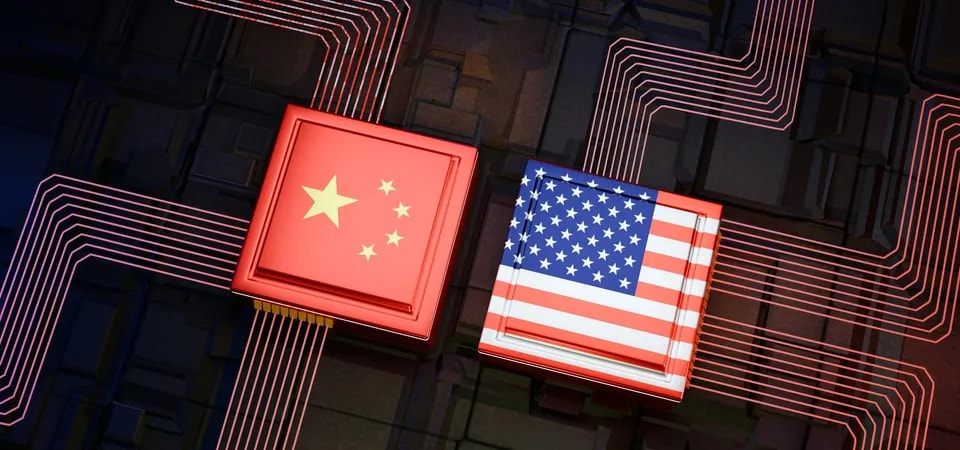
China's concerns centre on restrictions imposed by the Netherlands on advanced chipmaking equipment produced by ASML, one of the world's leading semiconductor technology companies. The Dutch government has controlled exports of certain sophisticated manufacturing systems to China for years, citing national security risks. Meanwhile, the United States is encouraging its allies to introduce even tighter restrictions to limit China's ability to manufacture advanced semiconductors.
The dispute comes at a sensitive moment for EU-China relations. Both sides recently made progress in negotiations covering electric vehicles, hybrid cars, tariffs, and access to critical industrial materials. However, the disagreement over semiconductor technology threatens to complicate those efforts as European and Chinese officials prepare for further talks in 2027.
Speaking in Spain, Qu argued that European countries should make independent decisions about their trade relationships rather than automatically following Washington's approach. He also suggested that China could reconsider how it shares its own technologies if European restrictions continue. His remarks highlight Beijing's growing frustration with policies it believes place Chinese manufacturers at a disadvantage.
For European businesses, the controversy extends beyond semiconductor equipment. China is an important market for European industrial products and a major supplier of electric vehicle components, batteries, and critical materials. A prolonged disagreement could affect companies operating across several industries.
Why ASML Export Restrictions Are Straining EU-China Relations
The Netherlands occupies an important position in the global semiconductor supply chain because it is home to ASML. The company manufactures advanced lithography systems that chipmakers use to produce integrated circuits. These machines play a major role in manufacturing the processors used in smartphones, data centres, artificial intelligence systems, and other electronic products.
ASML's technology is particularly valuable because producing advanced semiconductors requires extremely precise manufacturing equipment. Its most sophisticated extreme ultraviolet lithography systems support the production of leading-edge chips. The company also manufactures deep ultraviolet systems used across different stages of semiconductor production.
Since 2019, the Netherlands has restricted the export of ASML's most advanced technology to China. Additional controls introduced in 2023, 2024, and 2025 expanded licensing requirements to certain other semiconductor manufacturing systems. However, these measures are targeted export controls rather than a complete ban on all ASML equipment.
Under the licensing framework, companies must obtain government approval before exporting designated technologies. Dutch authorities assess applications based on national security and other relevant considerations. This means some equipment can still be exported, depending on the technology involved and the approval granted.
China argues that these restrictions prevent its semiconductor manufacturers from accessing equipment needed to compete internationally. Qu said Chinese companies want to purchase ASML products but are often limited to older technology. He suggested that continued restrictions could weaken trust between European and Chinese industrial partners.
The diplomat also challenged Europe's concerns about technology security. According to his remarks, Beijing expects European governments to apply the same principles of openness and cooperation that they seek from Chinese companies. He warned that China could respond differently if it concludes that European businesses are unwilling to share advanced technology.
However, Qu did not announce specific Chinese export restrictions or identify technologies that Beijing might withhold. His comments represent a diplomatic warning rather than confirmation of a new trade measure. Any future restrictions would depend on decisions by Chinese authorities.
The ASML export restrictions dispute also reflects growing pressure from Washington. The United States has introduced several measures intended to restrict China's access to advanced computing chips and semiconductor manufacturing equipment. American officials argue that certain technologies could strengthen China's military and intelligence capabilities.
The US has also encouraged countries with important semiconductor equipment industries to adopt comparable controls. The Netherlands and Japan are particularly significant because their companies manufacture specialised tools used throughout semiconductor production. Tokyo Electron, a Japanese equipment manufacturer, is among the companies that could be affected by further restrictions.
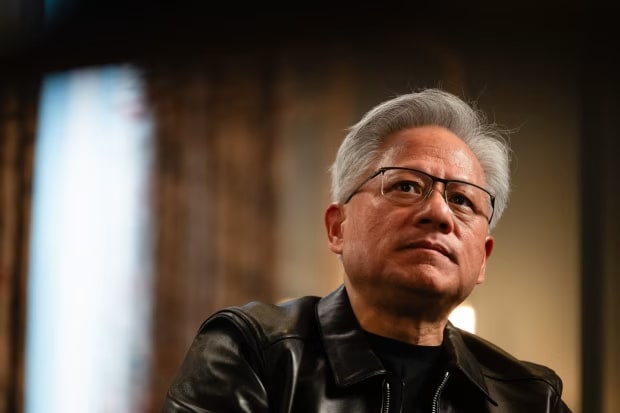
Pressure for tighter controls has intensified in Washington following recent controversy surrounding Nvidia's former chief executive Jensen Huang. US lawmakers have been discussing additional measures to prevent sensitive AI technology from reaching restricted Chinese customers. However, proposals under consideration have not all become law.
For Europe, the challenge is balancing economic interests with security concerns. ASML benefits from access to international customers, including Chinese semiconductor manufacturers. At the same time, Dutch authorities must consider whether exporting advanced manufacturing equipment could create national security risks.
China's position is that European countries should not allow US policy to determine their commercial relationships. Beijing argues that technology cooperation should be based on reciprocal treatment and market access. European governments, however, maintain that export controls are necessary when sensitive technologies could have military applications.
The disagreement creates uncertainty for semiconductor businesses on both sides. Chinese manufacturers may need to invest more heavily in domestic alternatives, while European equipment suppliers could face restrictions on sales to an important market. These pressures may also encourage changes in global semiconductor supply chains.
China Warns Europe as Trade Talks and Investment Plans Face New Pressure
The latest disagreement comes after China and the European Union reached a preliminary understanding on several trade issues in October 2026. European Trade Commissioner Maroš Šefčovič met Chinese Commerce Minister Wang Wentao in Beijing to discuss ways to reduce commercial tensions and address Europe's growing trade imbalance.
One important outcome involved Chinese exports of hybrid and plug-in hybrid vehicles. Both sides agreed to measures intended to moderate shipments into the European market. The arrangement was presented as an early step towards improving trade relations rather than a complete settlement of their disagreements.
The negotiations also covered access to rare earth materials and permanent magnets. These resources are essential for electric vehicles, renewable energy equipment, industrial manufacturing, and some advanced technologies. Europe depends heavily on international supply chains for several of these materials, making predictable access an important economic concern.
However, other disputes remain unresolved. European policymakers are considering measures designed to strengthen domestic manufacturing and reduce dependence on foreign suppliers. These include proposals involving local content requirements, technology transfer, and ownership arrangements in strategic industries.
China has expressed concern that such policies could discriminate against its companies. Chinese manufacturers have become major competitors in electric vehicles, batteries, and other technologies. European governments, meanwhile, are seeking ways to protect industrial capacity while attracting investment and maintaining competition.
Qu said China wants commercial relationships based on equal treatment and reciprocal access. He argued that Chinese investment should not be interpreted as an attempt to dominate European markets. Instead, he presented Beijing's position as one focused on long-term industrial cooperation.
The diplomat also warned that China could withstand a deterioration in its relationship with Europe if Chinese businesses faced what Beijing considered unfair treatment. However, he emphasised that both sides should approach negotiations constructively. His comments suggest that China is attempting to maintain room for cooperation while signalling dissatisfaction with existing restrictions.
The next round of EU-China trade discussions is expected in 2027. Officials will need to address disagreements involving semiconductor technology, market access, industrial policy, and investment rules. The outcome could influence how European and Chinese manufacturers structure future partnerships.
Spain provides an example of the commercial relationships at stake. Chinese investment in the country has increased significantly over the past decade, reaching approximately €12 billion in accumulated investment value. This growth reflects interest in Spain's manufacturing capacity, infrastructure, and access to the European market.
Chinese automotive companies SAIC and Chery have pursued investments in Spain, while battery manufacturers CATL and AESC have also developed business interests in the country. Some projects involve partnerships with European companies, allowing investors to combine manufacturing expertise with local industrial capabilities.
These investments could support employment, technology development, and production capacity. However, they also raise questions about competition, technology ownership, and the long-term position of European manufacturers. Governments must consider these concerns when negotiating investment conditions.
Qu said some Chinese companies are taking a cautious approach to additional investment. According to the diplomat, businesses may spend two or three years assessing the performance of existing projects before committing more capital. This suggests that policy uncertainty could influence the timing of future investment decisions.
Spain is also preparing for a general election scheduled for November 29, 2026. Although political parties have expressed different views about relations with China, Qu said Beijing does not expect the election to fundamentally change bilateral economic cooperation. He stressed that China evaluates its partners through their actions rather than political descriptions.
The diplomat rejected the view that China should be treated primarily as a systemic rival. That description has appeared in European policy discussions, reflecting concerns about economic competition and differences in political systems. Beijing prefers to emphasise cooperation, investment, and mutual commercial benefits.
For European businesses, the growing disagreement over chip technology creates additional uncertainty. Manufacturers need predictable trade rules before committing to expensive production facilities and international partnerships. Frequent policy changes could make investment planning more difficult.
The ASML export restrictions issue is particularly sensitive because it connects semiconductor security with broader industrial relations. Europe wants greater access to Chinese markets and critical materials, while China wants access to advanced European manufacturing technology. Both sides must decide how far they are willing to compromise.
The dispute also shows how US-China competition continues to influence European economic policy. European governments are trying to protect sensitive industries without damaging important international trade relationships. Their decisions could shape access to advanced technology for years.
For now, neither side has announced a complete breakdown in negotiations. China and the EU remain committed to further discussions, and recent agreements show that limited progress is possible despite significant disagreements.
However, ASML export restrictions remain a difficult issue that could complicate those negotiations. Beijing's warning raises the possibility that technology access may become increasingly tied to wider trade and investment arrangements. Whether the current diplomatic progress continues will depend on how both sides manage their competing economic and security priorities.