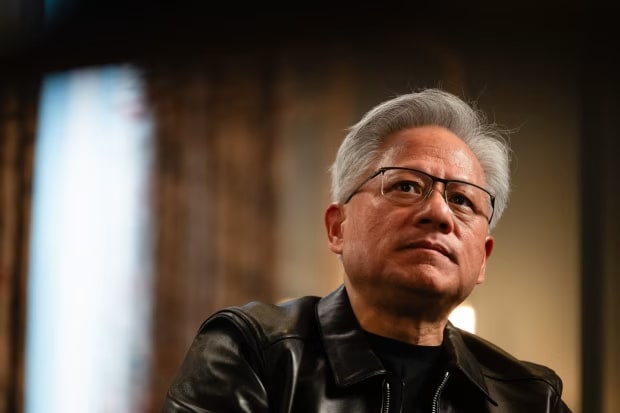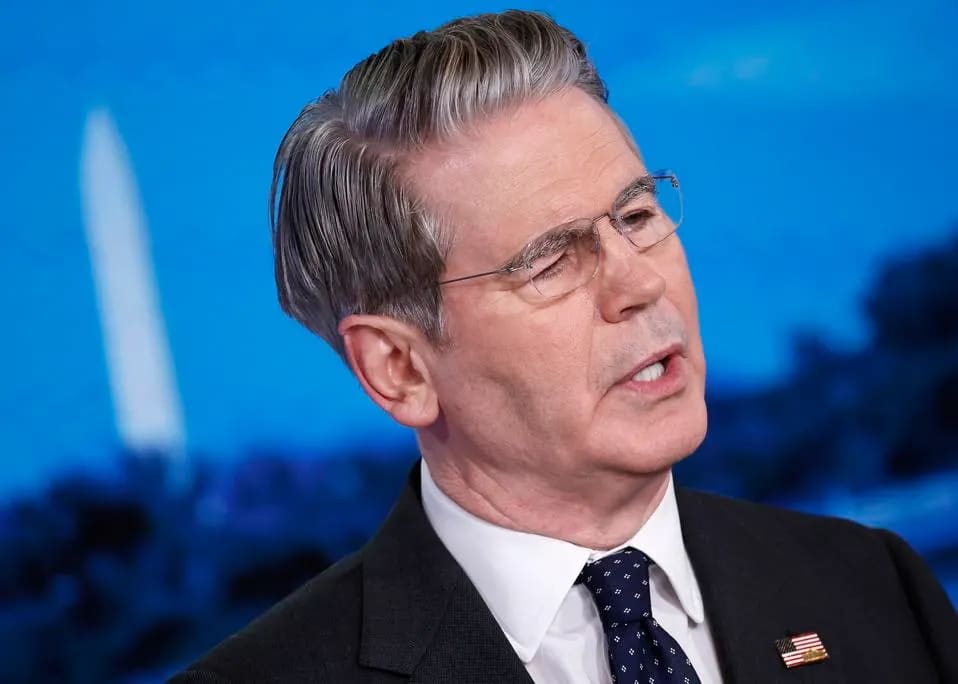
The Nvidia CEO search has become a growing concern for Washington after US Treasury Secretary Scott Bessent called for the chipmaker to appoint an external leader following Jensen Huang's sudden resignation. Speaking on Sunday, November 15, 2026, Bessent argued that Nvidia needs major changes to its leadership and corporate culture. His comments come as the company faces questions about its compliance with US restrictions on exporting advanced artificial intelligence chips to China.
Bessent made the remarks during an appearance on Fox News' Sunday Morning Futures, days after Huang stepped down from the company he co-founded more than three decades ago. He questioned whether Nvidia's existing leadership structure could address the concerns surrounding the business. According to the Treasury secretary, the board should look beyond its current executives when selecting a permanent replacement.
The call for outside leadership adds another challenge to a company already managing an unexpected executive transition. Nvidia has appointed longtime chief financial officer Colette Kress as interim CEO while its board evaluates potential candidates. However, Bessent's comments suggest that the appointment of an experienced insider may not satisfy government officials seeking greater accountability.
The controversy extends beyond the circumstances of Huang's departure. US authorities are examining questions surrounding Nvidia's compliance practices and whether its advanced chips may have reached restricted Chinese customers through intermediaries. These concerns are particularly important because Nvidia supplies much of the computing technology used to develop powerful AI systems.
For investors, the Nvidia CEO search is now about more than finding someone capable of maintaining the company's growth. The next chief executive may also need to restore confidence in its governance, strengthen relationships with regulators, and demonstrate that the company can manage sensitive international business relationships.
Why Scott Bessent Wants Nvidia to Appoint an Outside CEO
Bessent's recommendation followed several days of controversy surrounding Nvidia's former chief executive. Huang resigned on November 12 after reports concerning extramarital relationships, including allegations involving a woman suspected of connections to Chinese intelligence. The allegations have intensified scrutiny of his judgment and the possible national security implications of his relationships.
However, the suspected intelligence connection has not been established through a public court finding. Questions about potential export-control violations also remain under scrutiny, and accusations should not be treated as proof that Nvidia deliberately violated US law. Nevertheless, the controversy has created a difficult situation for the company as it prepares to select new leadership.
During his television appearance, Bessent said Nvidia needed a "dramatic shakeup" following the developments. He argued that the company's board should consider candidates outside its current management team. His position suggests concern that an internal appointment might preserve existing practices rather than introduce meaningful changes.
The Treasury secretary also directed attention toward Nvidia's board and outside legal advisers. He said they should provide answers within ten days about the company's compliance culture and adherence to export restrictions. From his November 15 remarks, that places the requested response around November 25, 2026.
Bessent's questions focus on whether Nvidia had appropriate controls to identify potentially suspicious transactions. In particular, he raised concerns about intermediaries that may have been used to move advanced computing equipment into China. He also questioned whether commercial incentives could have influenced how the company handled warning signs.
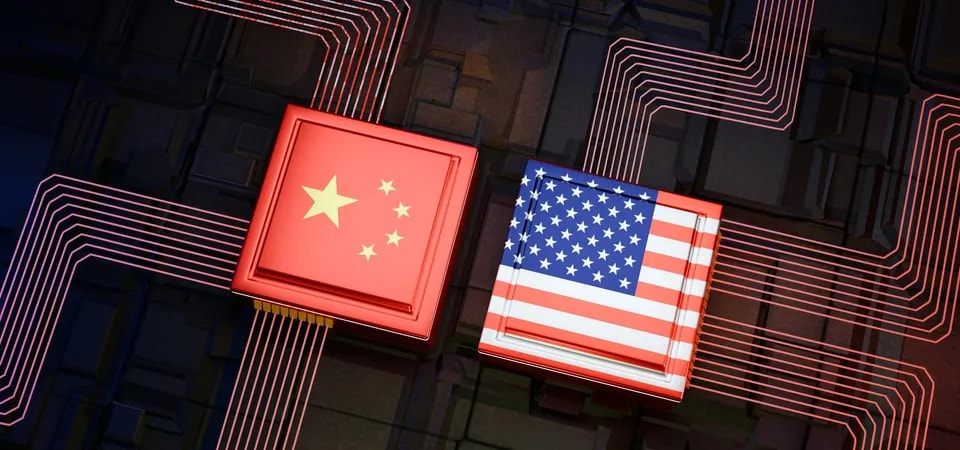
These are serious issues for Nvidia because its technology sits at the centre of US-China competition over advanced artificial intelligence. Washington has imposed restrictions on certain high-performance semiconductor exports to prevent sensitive technology from supporting military and other restricted applications. Companies operating in this market must therefore manage complex licensing, customer verification, and compliance requirements.
A failure to maintain effective controls could expose a technology supplier to investigations, penalties, and restrictions on future business activities. However, whether Nvidia's procedures were inadequate remains a matter for regulators and investigators to establish. Bessent's public criticism does not, by itself, determine that wrongdoing occurred.
The Nvidia CEO search has therefore become closely connected to questions about corporate governance. A new chief executive will be expected to oversee the company's commercial strategy while ensuring its operations comply with applicable laws. For a business with international customers and partners, that responsibility extends across several markets and regulatory systems.
Nvidia also has relationships with customers that require enormous amounts of computing equipment. Cloud providers, AI laboratories, and data center developers depend on its processors to build advanced infrastructure. Any significant changes to export policies or customer verification procedures could affect how those relationships are managed.
Bessent's intervention places additional public pressure on the company's directors. However, the decision to appoint a new chief executive remains a responsibility of Nvidia's board. The Treasury secretary has expressed a strong preference for outside leadership, but he has not announced a formal government process to select or approve Nvidia's next CEO.
Nvidia CEO Search Turns Toward External Candidates as Kress Leads Transition
Nvidia has already begun evaluating candidates from outside the organisation. According to reports published on November 13, Arm Holdings CEO Rene Haas has emerged as one executive being considered for the position. The development suggests the board is examining candidates with substantial experience in the semiconductor industry.
Haas previously worked at Nvidia before joining Arm, where he later became chief executive in 2022. His background includes managing technology licensing relationships and working with businesses that develop processors for a wide range of applications. Those experiences could be relevant to a company facing both commercial expansion and international regulatory challenges.
However, the reported interest in Haas does not mean he has accepted an offer or been selected as Huang's successor. Nvidia has publicly stated that it will consider internal and external candidates as part of its leadership search. No permanent appointment had been announced as of November 15.
Meanwhile, Colette Kress remains responsible for overseeing Nvidia's operations. She joined the company in 2013 and has managed its finances through a period of major growth. Her experience includes financial planning, investor communication, and oversight of the company's increasingly complex financial commitments.
Kress also faces the challenge of maintaining stability while the board searches for a permanent leader. Nvidia has substantial relationships with major cloud companies and AI developers, many of which are making long-term infrastructure investments. Those customers will want reassurance that existing agreements and product development plans remain on course.
However, her appointment has attracted attention following reports that Huang previously questioned her ability to contribute to major strategic decisions. The reported criticism occurred during internal discussions about Nvidia's financial support for large data center projects. While the remarks remain attributed reporting, they have added another dimension to the leadership debate.
Bessent's preference for an external candidate may increase speculation about Kress's long-term prospects. Nevertheless, her current appointment is temporary, and the board has not ruled out internal executives. Her performance during the transition may help demonstrate how Nvidia can maintain continuity without Huang.
The company's directors must now balance competing priorities. Choosing an experienced insider could provide stability and preserve relationships with existing customers. Selecting an outsider might introduce different management practices and offer an opportunity to review the company's governance and compliance procedures.
Neither option guarantees a successful transition. An external executive would still need to understand Nvidia's technology, software ecosystem, customer relationships, and rapidly changing market. An internal candidate, meanwhile, would need to demonstrate the independence required to address concerns about previous leadership decisions.
The Nvidia CEO search also comes at a sensitive moment for the wider AI industry. Nvidia's processors remain critical to the development and operation of advanced AI systems. Its decisions can influence data center investment, computing capacity, and the cost of deploying artificial intelligence.
Any prolonged uncertainty surrounding its leadership could complicate negotiations with customers, investors, and regulators. However, Nvidia retains established engineering teams, product development programmes, and commercial relationships. The company is not dependent on the chief executive alone to maintain those operations.
Another important issue is how Nvidia responds to Bessent's demand for information. Investors and regulators will be watching for greater clarity about the company's export-control procedures and any changes introduced following Huang's resignation. An independent review or stronger compliance oversight could become part of its response, although no such additional measures have been confirmed.
For the board, the immediate challenge is demonstrating that it can manage the transition transparently. Clear communication about the CEO selection process, regulatory concerns, and business priorities could help address uncertainty. It may also provide a stronger foundation for the next chief executive.
The coming days could prove important as the company approaches the ten-day period Bessent identified for receiving answers. Nvidia must also prepare for questions from shareholders about its future leadership and exposure to regulatory risks. These concerns are likely to remain prominent until the company provides further details.
Bessent's remarks have changed the public discussion around Nvidia's next chief executive. What began as an unexpected leadership vacancy has developed into a broader debate about accountability and the responsibilities of companies operating in strategically sensitive technology markets.
For now, the Nvidia CEO search remains open. Rene Haas is among the names reportedly under consideration, while Colette Kress continues to lead the business on an interim basis. The board's eventual decision will help determine how Nvidia responds to the controversy and manages its relationships with regulators, customers, and investors.