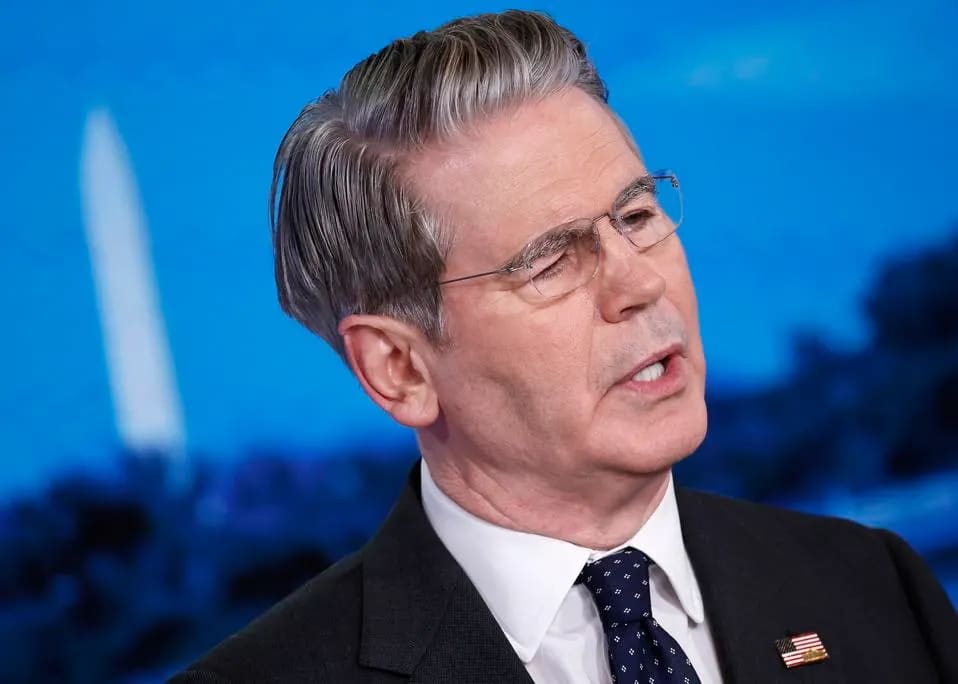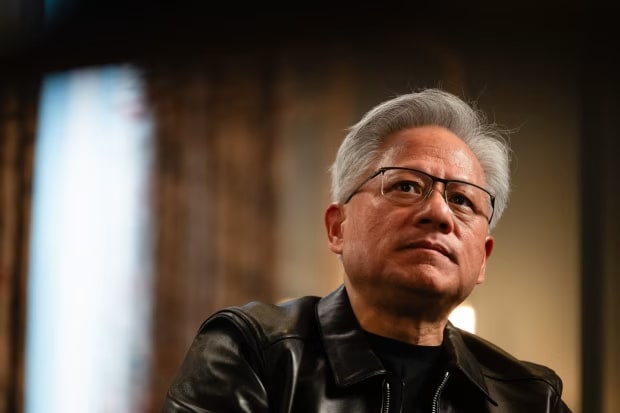
Colette Kress reportedly faced sharp criticism from Jensen Huang months before she replaced him as Nvidia's interim CEO. According to a Wall Street Journal report, Huang questioned her leadership abilities during a meeting about the company's multibillion-dollar AI infrastructure financing plans. The revelations have drawn fresh attention to Nvidia's internal leadership disagreements following Huang's resignation on November 12, 2026.
According to a Wall Street Journal report published on November 13, 2026, Huang described Kress as "a deer in the headlights" during a presentation involving Nvidia's senior finance executives. The meeting focused on the company's plans to provide substantial financial guarantees to AI data center operators. Those arrangements were intended to help customers secure financing for infrastructure projects involving Nvidia's computing technology.
The report also suggests that Huang questioned whether Kress could contribute meaningfully to major strategic decisions. His reported remarks reveal possible disagreements within Nvidia's leadership over the financial risks associated with its growing involvement in AI infrastructure. However, the comments are based on accounts from people familiar with the meeting, and Nvidia has not publicly confirmed Huang's exact statements.
The revelations come at a particularly sensitive moment for the chipmaker. Huang resigned as president, chief executive officer, and board member following reports concerning his personal relationships and a separate investigation involving possible foreign intelligence activity. Nvidia has since appointed Kress as interim CEO while its board searches for a permanent replacement.
For investors, the Jensen Huang criticism of Colette Kress report raises a question about Nvidia's future leadership. The executive reportedly dismissed by Huang must now oversee the financial commitments he helped establish. Her approach to those agreements could influence how Nvidia manages its relationships with major AI companies and infrastructure developers.
Jensen Huang Criticism of Colette Kress Exposes Tensions Over AI Financing
The reported confrontation took place during a summer meeting involving Nvidia's finance leadership. At the time, the company was expanding its involvement in financing arrangements designed to support the construction of major AI data centers. These agreements included financial guarantees that could help infrastructure developers obtain funding for projects requiring large numbers of Nvidia processors.
Huang reportedly interrupted Kress during her presentation and questioned her ability to contribute to the company's strategic direction. According to the report, he considered her more suited to financial reporting than high-level business decision-making. The criticism suggests a disagreement about how the finance department should participate in Nvidia's increasingly complex investment strategy.
Kress had reportedly raised concerns about the company's financing arrangements and the methods used to evaluate them. Her questions focused on how Nvidia should determine which projects deserved financial backing, how guarantees should be valued, and whether the potential returns justified the risks. These are important considerations for a business whose customers require enormous amounts of capital to purchase advanced computing infrastructure.
The concerns also involved financing programmes associated with Nico Caprez, Huang's son-in-law, who has been linked to Nvidia's data center investment activities. Kress reportedly wanted greater clarity about the financial assumptions supporting these transactions. However, the existence of such disagreements does not establish that the arrangements were improper or that they violated company policies.
Nvidia's financing strategy has attracted attention because the company has increasingly supported the businesses purchasing its products. AI data centers require substantial investment in land, electricity, cooling equipment, and computing hardware. Some developers depend on financing arrangements to complete these facilities before they can generate enough revenue from customers.
By supporting those projects, Nvidia can help create demand for its processors while expanding the infrastructure available for artificial intelligence. However, the approach also exposes the company to financial risks if customers experience construction delays, insufficient demand, or difficulties meeting their obligations.
One major example involves OpenAI's planned data center development in Ohio. Nvidia had reportedly considered providing as much as $250 billion in credit support for the project. However, the final arrangement reduced that commitment to $105 billion, with Kress reportedly playing a role in limiting the company's exposure.
The $105 billion commitment is significant, but it should not be confused with an immediate cash investment. Nvidia's financial disclosures describe guarantees supporting infrastructure and lease obligations associated with the project. The company's exposure depends on specific contractual conditions and is expected to develop as the facilities become operational.
The reported Jensen Huang criticism of Colette Kress is particularly notable because her financial concerns may become more important under Nvidia's new leadership. The company must continue supporting major AI infrastructure projects while protecting its balance sheet. Investors will also want greater clarity about how Nvidia evaluates the risks attached to such commitments.
Kress has spent more than 13 years at Nvidia and has overseen its finances during a period of extraordinary expansion. Before joining the company in September 2013, she held senior financial positions at Cisco, Microsoft, and Texas Instruments. Her experience includes financial planning, corporate operations, and managing large technology businesses.
During her tenure, Nvidia's annual revenue increased from approximately $4.13 billion to $215.9 billion in fiscal 2026. Although that growth reflects the work of the wider company, Kress played an important role in managing its financial operations. She also became a familiar figure to investors through earnings calls and regular financial disclosures.
That background makes Huang's reported assessment of her leadership abilities particularly striking. Kress has extensive experience handling the financial demands of a major technology company. However, moving from chief financial officer to chief executive requires a broader set of responsibilities involving corporate strategy, customers, engineering priorities, and public leadership.
Colette Kress Faces Major Leadership Test After Jensen Huang's Resignation
Nvidia confirmed Huang's departure on November 12, announcing that Kress would serve as interim CEO while continuing her responsibilities as chief financial officer. The company also appointed Harvey C. Jones as chairman of the board. Nvidia said it would consider both internal and external candidates for the permanent leadership position.
The appointment places Kress in charge of a business that has become central to the global AI industry. Nvidia's processors support advanced AI systems developed by major technology companies, cloud providers, and research organisations. Maintaining those relationships will be important as the company adjusts to operating without its co-founder.
Despite Huang's reported criticism, Nvidia's board has publicly expressed confidence in Kress. In its official leadership announcement, the board highlighted her understanding of the company's operations, customers, and financial position. It also emphasised the experience of the wider executive team supporting her.
The contrast between Huang's reported remarks and the board's public endorsement has attracted attention. However, the two statements come from different sources and circumstances. The board's appointment confirms its decision to entrust Kress with temporary leadership, while Huang's alleged comments describe a private disagreement that has not been independently established in full.
One of Kress's immediate responsibilities will be maintaining investor confidence. Nvidia shares experienced sharp volatility following the leadership change, reflecting concerns about the company's future direction. Investors are particularly interested in whether its major AI infrastructure commitments will remain unchanged under the new management team.
The company must also prepare for its upcoming financial results. Nvidia is scheduled to report third-quarter fiscal 2027 earnings on November 17, with an investor conference call to follow. Kress will therefore face an early opportunity to explain the company's financial performance and address questions about its strategy.
The Jensen Huang criticism of Colette Kress report could add pressure to that process. Investors may want to understand how the company evaluates large financial guarantees and whether the new leadership intends to review existing commitments. They may also seek assurances that internal disagreements will not interfere with business operations.
Another challenge involves balancing financial discipline with Nvidia's growth ambitions. The company has benefited from rapidly increasing investment in artificial intelligence, but AI infrastructure projects remain expensive and technically demanding. Supporting customer expansion can strengthen Nvidia's business, although excessive financial exposure could introduce risks if market conditions change.
Kress's background could become valuable in managing these competing priorities. Her experience in financial planning and investor communication may help Nvidia provide greater clarity about its commitments. However, any changes to the company's investment strategy would require careful consideration of existing contracts and customer relationships.
The situation also highlights the importance of corporate succession planning. Huang led Nvidia for more than three decades and maintained considerable influence over its strategic decisions. His sudden departure has required the company to transfer those responsibilities to an executive whose leadership judgment he reportedly questioned.
For now, there is no indication that Kress has been selected as Nvidia's permanent CEO. The board's search remains underway, and other candidates may bring different technical and commercial experience. Her immediate task is to maintain operational stability and demonstrate that Nvidia can continue executing its strategy during the transition.
The Jensen Huang criticism of Colette Kress revelations have introduced a new dimension to Nvidia's leadership crisis. Beyond the circumstances surrounding Huang's resignation, they raise questions about internal decision-making and the financial risks associated with the company's AI expansion.
As Nvidia moves forward, Kress will have an opportunity to demonstrate her capabilities through the decisions she makes and the results the company delivers. The coming weeks will show how she approaches major financial commitments while the board considers its long-term leadership options.