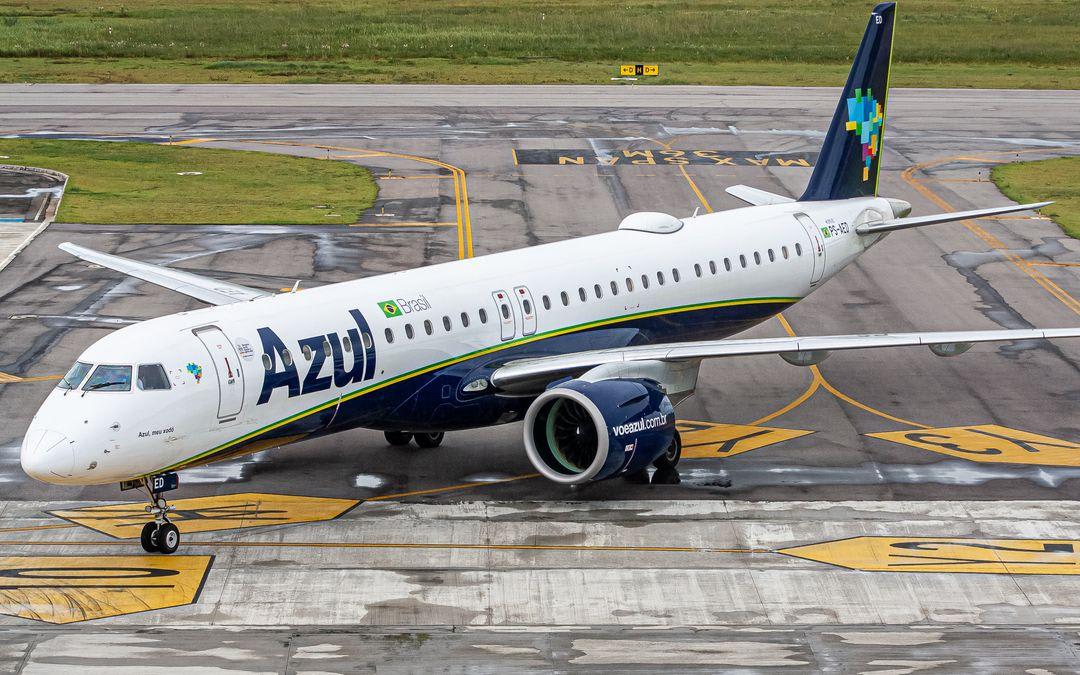
Trump Proposes New Brazil Tariffs as Embraer Faces 10% Aircraft Duty
New Brazil tariffs proposed by US President Donald Trump's administration could impose a 10% import duty on Brazilian-made aircraft and increase charges on certain sugar shipments. The announcement on Wednesday, November 25, 2026, caught Brazilian officials by surprise and sent shares of aircraft manufacturer Embraer lower as trade tensions between Washington and Brasília intensified.
The latest proposal comes just one month after Brazil's presidential election, which saw President Luiz Inácio Lula da Silva secure another term. Trade relations with the United States were a major issue during the campaign. However, Brazilian officials had expected further negotiations rather than another round of import duties.
Washington says the proposed measures are intended to pressure Brazil into changing trade policies it considers harmful to American businesses. US Trade Representative Jamieson Greer accused the Brazilian government of failing to make meaningful progress despite months of discussions between both countries.
The proposal could have serious implications for Brazil's aviation and agricultural industries. Finished aircraft are among the country's most valuable exports to the United States, while Brazil remains a major supplier of sugar to global markets. Higher tariffs could increase costs for American buyers and weaken the competitiveness of Brazilian exporters.
However, the new duties have not taken effect. The US Trade Representative's office has opened a consultation process, with a public hearing scheduled for January 14, 2027. That gives businesses and trade groups an opportunity to challenge the proposal before Washington decides whether to implement it.
New Brazil Tariffs Put Embraer and Aircraft Exports at Risk
The proposed 10% duty on finished aircraft represents one of the most significant changes to Washington's trade restrictions on Brazil. Aircraft were previously exempt from additional tariffs imposed on certain Brazilian products in July, allowing manufacturers to continue supplying the American market without those extra charges.
That exemption could now disappear.
Under the latest plan, finished aircraft imported from Brazil would face an additional tariff based on their declared value. The measure could directly affect Embraer, one of the world's leading manufacturers of regional passenger aircraft, business jets, and military aviation equipment.
The United States is an important market for Embraer. American airlines rely on its regional jets, while private aviation operators purchase its business aircraft. Consequently, additional import duties could affect aircraft pricing, contract negotiations, and the company's financial performance.
Investors reacted quickly to the announcement. Embraer shares dropped approximately 5% in the initial trading snapshot reported by Reuters. Other market reports showed the decline deepening during Wednesday's session as investors assessed the possible financial impact.
The company's management said it was reviewing the American government's proposal. Embraer also defended the longstanding international practice of allowing commercial aircraft to move between major markets without additional tariffs.
For decades, the aviation industry has benefited from trade arrangements designed to reduce barriers to aircraft sales. These arrangements support manufacturers operating across international supply chains, where engines, electronic systems, and other components may come from several countries.
A new tariff could complicate that structure. Although a 10% duty may appear modest compared with some other trade restrictions, aircraft are expensive products. Even a relatively small percentage increase can represent millions of dollars on a large purchase.
The proposed measure may also affect negotiations between aircraft manufacturers and their customers. Depending on contractual arrangements, additional import costs could fall on buyers, suppliers, or manufacturers themselves.
For Embraer, the concern is particularly important because the United States remains a major destination for its aircraft. Finished planes are Brazil's fourth-largest export category to the American market, according to the US Trade Representative's office.
The announcement also surprised people within the company. Two individuals familiar with Embraer's operations told Reuters that the proposed duty had not been expected.
Analysts have raised concerns about the potential financial consequences. Previous periods in which Embraer faced similar US aircraft tariffs reportedly cost the manufacturer around $80 million, with business jets accounting for much of that impact.
However, the actual cost of the latest proposal would depend on its final terms, when it takes effect, and the number of aircraft shipped to American customers.
For now, Embraer faces the challenge of preparing for a possible new trade barrier while continuing to fulfill existing orders. Its response will be closely watched by investors, airlines, and the wider aerospace industry.
US Targets Brazilian Sugar as Trade Dispute With Lula Deepens
Aircraft are not the only products facing potential changes under the new Brazil tariffs. Washington is also proposing higher duties on certain raw and refined sugar imports that exceed established import quotas.
The United States already uses tariff-rate quotas to regulate sugar imports. Under this system, a specified amount can enter the country at a lower tariff rate, while shipments exceeding that limit face higher charges.
The Trump administration wants to increase duties on out-of-quota sugar in a way that applies regardless of the exporting country. This approach is intended to prevent Brazilian producers from avoiding additional charges by redirecting sugar shipments through other markets.
Brazil is the world's largest sugar producer and exporter, giving the country considerable influence over international supply. Therefore, changes to US import rules could affect Brazilian producers, traders, and businesses that depend on sugar shipments.
The administration argues that the proposed duties are necessary because Brazil has failed to address several trade practices identified during an investigation under Section 301 of the Trade Act of 1974.
Section 301 allows the United States to investigate foreign government policies that it considers unfair or harmful to American commerce. It can also provide a legal basis for imposing trade restrictions after the required procedures.
Washington's investigation covers a wide range of issues, including digital trade, electronic payments, intellectual property protection, agricultural market access, and environmental practices.
One controversial issue is Pix, Brazil's widely used instant payment system. US officials have argued that elements of Brazil's digital payment environment may disadvantage American financial service providers, including credit card companies.
Brazil has rejected Washington's accusations and defended its domestic policies. The dispute also includes US concerns over illegal deforestation, ethanol trade, and other commercial practices.
The disagreement has continued despite attempts to improve relations between both governments.
In September, Washington and Brasília established a working group to address tariff disputes and explore a broader trade agreement. The initiative followed discussions between Trump and Lula, raising expectations that both countries might find a negotiated solution.
However, Brazilian officials say a proposal they expected from the United States never arrived. The latest tariff announcement has now added another obstacle to those discussions.
The timing is politically sensitive. Lula defeated right-wing challenger Flávio Bolsonaro in Brazil's October presidential election. During the campaign, trade restrictions and Washington's involvement in Brazilian affairs became major points of disagreement.
Lula accused the Trump administration of using tariffs to influence the election in favor of his opponent. The US government has maintained that its trade actions are intended to address economic and commercial concerns.
The disagreement has also reached the World Trade Organization. On November 24, Brazil requested the establishment of a dispute panel to examine earlier US tariffs introduced under Section 301. Washington blocked that initial request, extending the legal dispute between the two countries.
Brazil's Foreign Ministry says it will assess the consequences of the new proposal before determining its response.
Meanwhile, the US government has indicated that negotiations remain possible. Greer has presented the proposed aircraft and sugar duties as measures intended to encourage Brazil to address Washington's trade complaints.
The new restrictions would build on tariffs introduced in July, when the United States imposed a 25% duty on selected Brazilian goods while maintaining exemptions for several important exports. Aircraft, coffee, beef, and other products benefited from exclusions under that arrangement.
Brazil also faces separate US tariff measures connected to an investigation into forced labor risks in international supply chains.
For exporters, the growing number of trade restrictions creates uncertainty about future costs and access to American customers. Companies must consider whether to absorb additional duties, increase prices, or adjust their supply arrangements.
The next stage of the dispute will depend partly on the public consultation process. Interested parties have until December 7, 2026, to request an appearance at the hearing and submit testimony summaries. Written comments are due by December 30, while the hearing itself is scheduled for January 14, 2027.
These dates give affected industries a chance to explain the economic consequences of the proposal before a final decision is made.
For Embraer and Brazil's sugar exporters, the immediate concern is whether Washington will proceed with the duties or use the threat of higher tariffs to secure concessions.
The latest announcement shows that US-Brazil trade relations remain strained despite earlier diplomatic efforts. It also places more pressure on Lula's government to balance its economic interests with growing demands from the Trump administration.
As both countries consider their next moves, the proposed tariffs could become a major test of whether Washington and Brasília can resolve their differences through negotiations.
For now, the new Brazil tariffs remain proposals rather than additional duties already being collected. However, the market reaction and political response show how significantly they could affect Brazil's exporters and its relationship with the United States.