Tigerfish Data Leak Exposes Sensitive Police Records and Customer Files Online
The Tigerfish data leak has exposed sensitive police interviews, body-camera recordings, and customer transcription files after a security mistake left a cloud storage server accessible to the public. The San Francisco-based transcription company has now secured the affected system, but the incident raises serious concerns about how businesses protect confidential information entrusted to outside service providers.
The exposure, reported on November 20, 2026, involved an Amazon Web Services (AWS) storage system containing internal company records and customer materials. Some files belonged to law enforcement agencies, prosecutors' offices, and other organisations that rely on Tigerfish to convert audio and video recordings into written transcripts.
Security researcher Anurag Sen discovered the unprotected files in October while examining publicly accessible internet systems. According to his findings, anyone who knew or discovered the server's web address could access the stored information without entering a password.
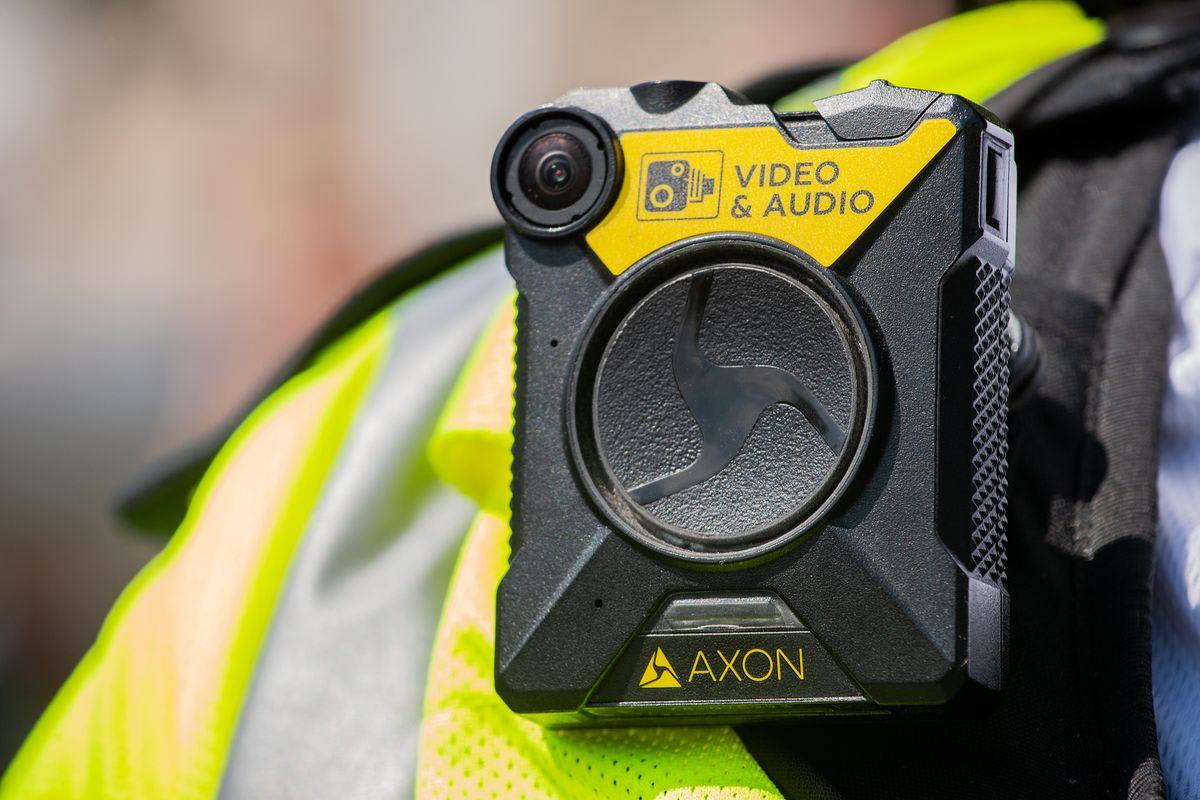
The exposed materials included transcripts of police interviews, raw audio and video recordings, body-camera footage, and customer invoices. Such information can contain confidential details about investigations, witnesses, suspects, and individuals involved in legal proceedings.
Sen initially contacted Tigerfish to report the problem but received no response. He later approached TechCrunch, which independently examined the exposed information and contacted the company.
Following that contact, Tigerfish restricted public access to the affected storage system.
However, important questions remain unanswered, including how long the files were publicly accessible, whether anyone else downloaded them, and whether affected customers have been notified.
The incident highlights a recurring problem in cybersecurity. Sensitive information can become exposed without hackers breaking passwords or exploiting complicated software vulnerabilities. Sometimes, a cloud storage setting is enough to put confidential records at risk.
How the Tigerfish Data Leak Exposed Confidential Law Enforcement Files
Tigerfish provides transcription services to organisations that need spoken conversations converted into accurate written records. Its customers include government departments, police agencies, prosecutors, and technology businesses.
For law enforcement organisations, transcription services can support investigations by creating written versions of recorded interviews, body-camera footage, and other evidence.
However, these recordings often contain highly sensitive information. Interviews may reveal personal identities, witness accounts, details of criminal investigations, or information that has not been presented in court.
This makes the security of transcription providers particularly important.
When customers send recordings to an outside company, they depend on that provider to protect the original files and any transcripts created from them.
In Tigerfish's case, the exposed information was stored in an Amazon Simple Storage Service (S3) bucket.
Amazon S3 is a widely used cloud storage service that allows businesses to store documents, recordings, images, and other digital files.
Although the platform provides tools for restricting access, organisations must ensure their storage systems are configured correctly.
Sen discovered that the Tigerfish bucket allowed public access to its contents. Its directory listing was also exposed, meaning files could be located through an accessible web address.
No login credentials were required to view the information.
The problem created a significant privacy risk because the files were not limited to ordinary business documents.
They included original audio and video materials alongside completed transcripts. Customer invoices and other internal records were also present.
The exposure of both recordings and transcripts is particularly concerning because individuals could potentially access the original conversations rather than only their written summaries.
For police departments and prosecutors, unauthorised disclosure of such materials could raise questions about confidentiality, evidence handling, and the protection of people involved in investigations.
However, the available reporting does not establish that criminals downloaded the files or used them for malicious purposes.
Public accessibility confirms that the information was exposed, but it does not automatically prove that every file was accessed by an unauthorised person.
Sen's discovery followed years of similar investigations into unsecured online databases and storage systems.
The security researcher, who lives in Indonesia, has previously uncovered exposed US military emails, customer databases, surveillance-related records, and systems containing authentication codes.
His work involves identifying sensitive information that organisations have unintentionally made accessible online.
In October, he attempted to notify Tigerfish directly after discovering the exposed S3 bucket.
However, the company did not initially respond to his warning.
Sen subsequently shared the findings with TechCrunch, which reviewed the data and contacted Tigerfish.
Shortly afterward, Tigerfish president Adam Goldberg confirmed that the company had restricted access to the affected server.
Goldberg explained that public access had been disabled for both the storage directory and individual files.
The company also reviewed its other Amazon S3 buckets and said it had confirmed that they were not publicly accessible.
Additionally, Tigerfish stated that it was examining its broader storage security practices to identify possible improvements.
According to Goldberg, Sen's original warning had been caught by the company's email spam filter.
That explanation reveals another weakness in the incident response process. A legitimate security report failed to reach the appropriate people because it was filtered before anyone could act on it.
Although Tigerfish has now closed the reported exposure, the company has not publicly confirmed whether all affected customers have received notifications.
It also remains unclear whether the company has completed a forensic review to determine if the exposed materials were accessed by anyone other than the researcher and journalists involved.
Why the Tigerfish Security Incident Raises Bigger Cloud Privacy Concerns
The Tigerfish data leak demonstrates how businesses can lose control of sensitive information through relatively simple configuration mistakes.
Cloud storage platforms have become essential for organisations handling large amounts of data. They provide flexible infrastructure without requiring companies to maintain their own physical storage systems.
However, that convenience also introduces responsibilities.
Businesses must decide who can access stored information, which applications have permission to retrieve it, and whether files should ever be available through public internet links.
When those controls are configured incorrectly, confidential information may become accessible far beyond the intended users.
Amazon provides features designed to prevent accidental public access to S3 buckets. Its Block Public Access controls can restrict access at the bucket, account, and other administrative levels.
Nevertheless, misconfigurations remain a recurring source of security incidents.
A developer might temporarily change access settings while testing an application and forget to restore them. Another employee could misunderstand how permissions work or accidentally expose a directory during a software update.
Such mistakes can happen without malicious intent.
Sen believes many of the serious exposures he encounters result from these kinds of ordinary human errors.
The growing use of AI-assisted software development introduces another concern.
AI coding tools can help developers build applications faster, but automatically generated code and infrastructure settings still require careful security reviews.
If developers deploy applications without checking access controls, they may unintentionally expose databases, storage buckets, or sensitive files.
At the same time, automated scanning tools make it easier for security researchers and malicious actors to discover publicly accessible systems.
This means an exposed storage bucket may attract attention even when its owner has not advertised its location.
For organisations handling law enforcement recordings, the potential consequences are especially serious.
An exposed transcript could contain confidential testimony, private contact details, or information about an ongoing investigation.
Even where no criminal misuse is confirmed, the loss of control over such information can create legal, operational, and reputational concerns.
The incident also highlights the importance of third-party security oversight.
Government agencies and businesses may maintain strict internal data protection rules, but those protections must extend to external companies that process their information.
Before sharing sensitive files, organisations should understand how service providers store data, restrict access, respond to security reports, and investigate suspected exposures.
Regular permission reviews and automated checks can help detect publicly accessible storage before information becomes widely exposed.
Companies also need clear ways for researchers to report vulnerabilities.
A security warning that disappears into a spam folder can delay the discovery and correction of a serious problem.
For Tigerfish, the immediate exposure has been addressed. However, closing public access is only one part of resolving the incident.
A complete assessment would also consider which files were involved, how long they were exposed, whether access logs reveal unauthorised activity, and whether customers require notification.
As of November 20, 2026, those details have not been fully disclosed.
The broader lesson extends beyond transcription companies. Any organisation storing confidential information in the cloud can face similar risks when security settings are overlooked.
Tigerfish's experience shows that strong cybersecurity depends on more than sophisticated tools. It also requires correctly configured systems, routine checks, and reliable processes for responding when someone reports a problem.