Uber Recorded Rides Launch in Four US Cities to Improve Passenger Safety
Uber Recorded Rides is giving passengers in selected US cities a new way to book trips with video recording enabled from the start. The ride-hailing company announced the pilot on November 23, 2026, as it expands safety features designed to protect drivers and passengers during journeys.
The new booking option will appear in the Uber app as “Recorded Rides.” It allows passengers to request a ride with a driver who has enabled Uber's existing Record My Ride feature, which uses the driver's smartphone camera to capture video inside the vehicle.
The company is introducing the service in Baltimore, Maryland; Raleigh, North Carolina; Indianapolis, Indiana; and St. Louis, Missouri. Uber plans to expand the pilot to additional locations, although it has not announced a wider rollout date.
The development comes as ride-hailing companies face continued pressure to improve passenger safety. Uber is focusing particularly on journeys booked late at night and trips involving teenagers, two situations where additional monitoring may provide reassurance.
However, the feature also raises questions about privacy, consent, and how recorded footage is managed. While some passengers may welcome additional protection, others may feel uncomfortable being filmed throughout their journey.
Uber says drivers can disable recording through their settings, while riders can decline permission through an in-app notification. The company is also testing systems that could activate recording automatically when a vehicle leaves its expected route or appears to have been involved in an accident.
How Uber Recorded Rides Works and Where It Is Available
The new service builds on Record My Ride, a safety feature Uber already offers to eligible drivers.
Previously, passengers could receive notifications that their driver had enabled recording. However, the latest pilot gives customers a more direct way to request a journey where recording is part of the booking experience.
When a passenger opens the Uber app in a participating city, the Recorded Rides option may appear among the available ride choices.
Selecting it allows the passenger to book a trip with a driver who has agreed to use the recording feature.
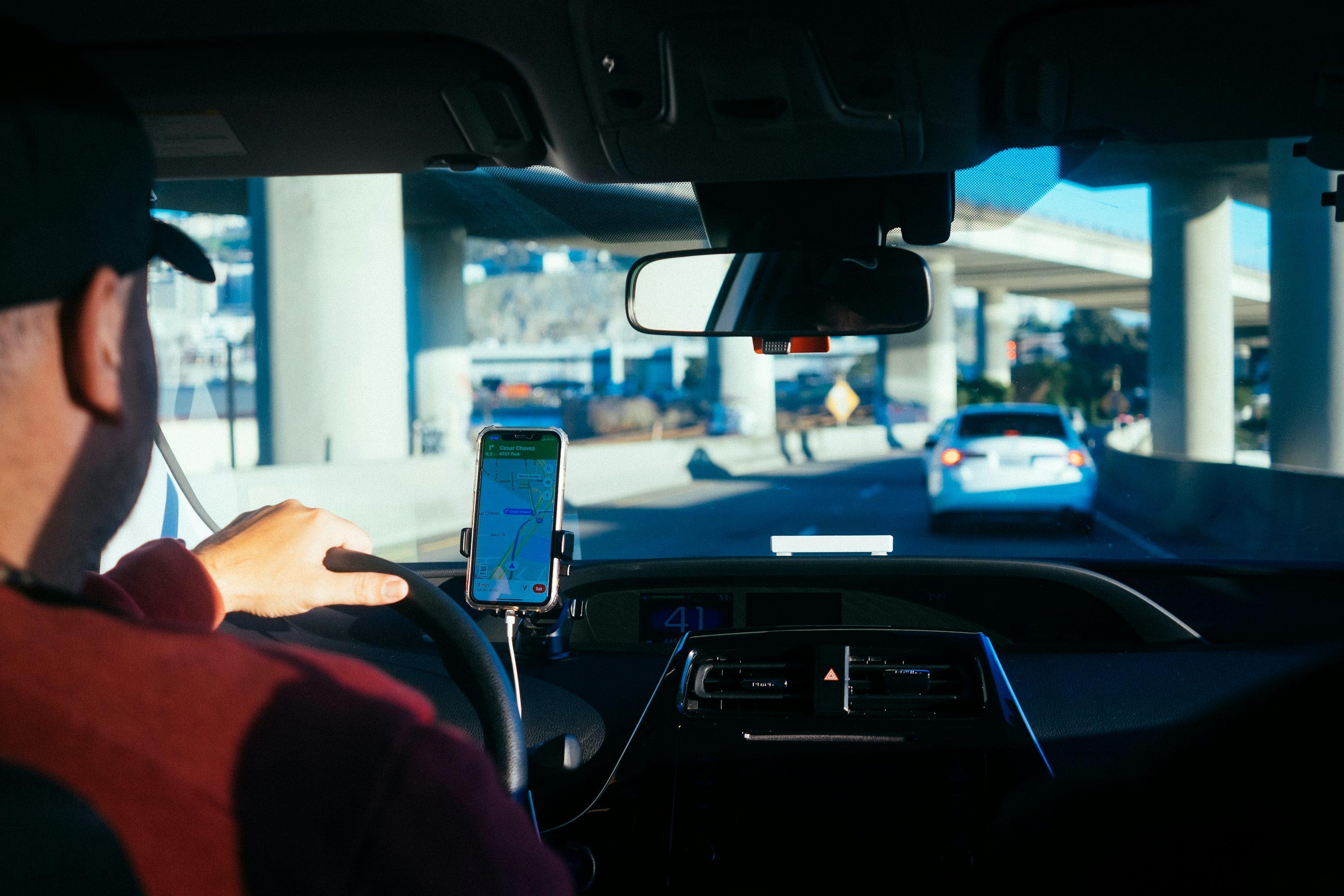
The system relies on the front-facing camera of the driver's smartphone, eliminating the need for a separate dashboard camera.
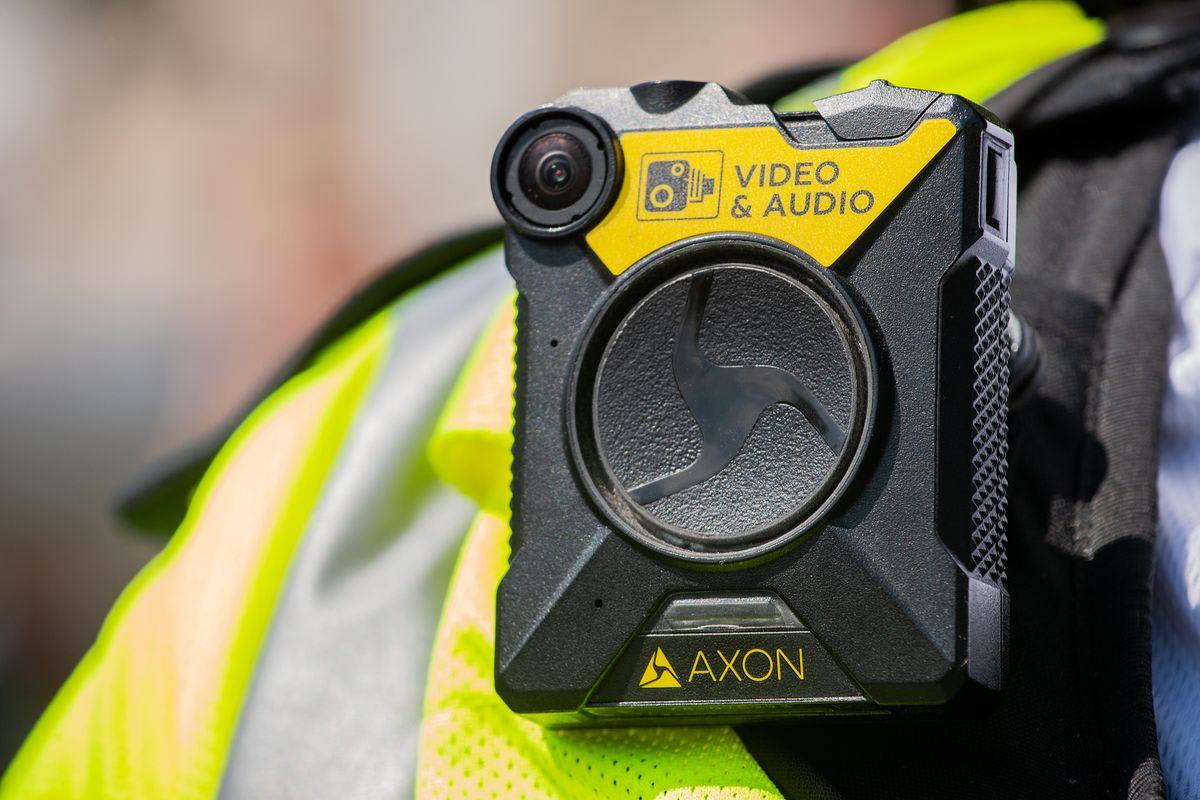
Once enabled, Record My Ride captures video and audio during eligible journeys. The camera is intended to record activity inside the vehicle, including interactions between drivers and passengers.
This could provide useful evidence if a disagreement, safety complaint, or unexpected incident occurs during a trip.
For example, a passenger who experiences threatening behaviour may be able to report the incident knowing that video evidence was recorded.
Similarly, drivers may benefit from having an additional record of events if a passenger behaves aggressively or makes a disputed complaint.
However, recording does not guarantee that an incident will be prevented or that every event will be captured clearly.
The quality of the footage may depend on the phone's position, camera performance, lighting, and whether recording continues without interruption.
Uber's existing guidance also explains that some smartphone operating systems impose restrictions on recording while other applications are active.
On certain iPhones, for example, video capture may pause if the driver switches away from the Uber Driver app. Audio recording can continue under some conditions.
Android devices may handle background recording differently, depending on the device and operating system.
For drivers, the feature remains optional.
Those who do not want their journeys recorded can disable Record My Ride through the application's settings.
Passengers also retain a choice. Uber says riders can decline recording when they receive the relevant notification.
That means the pilot should not be understood as a requirement that every Uber journey in the four cities must be recorded.
Instead, it introduces a dedicated option for customers who prefer travelling with recording enabled.
The initial rollout is limited to Baltimore, Raleigh, Indianapolis, and St. Louis. Uber has not confirmed how many drivers will participate or how many Recorded Rides will be available at launch.
Availability may therefore differ between locations and individual booking times.
Why Uber Is Expanding Video Recording for Teen and Late-Night Trips
Uber's latest safety feature is part of a wider effort to make ride-hailing services more secure.
The company has introduced several tools intended to address concerns about passenger safety, particularly during journeys where customers may feel more vulnerable.
Teenage passengers have become an important focus.
In August 2026, Uber introduced a live video streaming feature for eligible teen accounts. The system allows parents or guardians to check on a journey using video from the driver's smartphone camera.
The feature was designed to provide greater visibility during trips involving younger passengers.
Uber has also been testing additional recording options for late-night journeys in selected cities.
These experiments reflect the company's interest in using technology to provide evidence when safety incidents occur.
The Recorded Rides pilot brings those efforts into the booking process itself.
Rather than waiting until a trip begins to discover whether recording is available, passengers can express their preference when selecting a ride.
For some customers, that may provide additional confidence before entering a vehicle.
However, the broader question is how the company balances safety monitoring with passenger privacy.
Video recordings may capture conversations, facial images, and other personal information. That creates responsibilities for protecting the footage and preventing unauthorised access.
According to Uber's published Record My Ride guidance, recordings are encrypted and are generally accessed by the company only when a safety report or relevant insurance claim is submitted.
Uber also states that it does not routinely watch or listen to recordings in real time.
Under its existing recording policy, footage that is not needed for a reported incident is generally deleted after 14 days.
These protections are important because passengers may discuss private matters during a journey without expecting those conversations to become publicly available.
Drivers also have privacy interests, particularly when their working day involves recording multiple passengers.
Uber's challenge is to provide useful evidence while limiting unnecessary access to the recordings.
The company is also examining whether recording can respond automatically to unusual trip conditions.
One system under testing would activate recording when the app detects that a vehicle has moved away from its expected route.
Another could respond to signs that the vehicle may have been involved in a collision.
Such features could provide additional information about incidents that occur unexpectedly.
However, route changes are not always signs of danger. Road closures, traffic congestion, and passenger requests can all cause legitimate deviations.
For that reason, automated safety systems must be designed to avoid treating ordinary driving changes as evidence of wrongdoing.
The company has not disclosed a launch date for these additional recording tests or explained every condition that would trigger them.
It has also not published evidence showing how much the new Recorded Rides booking option reduces safety incidents.
The effectiveness of the pilot will depend partly on whether enough drivers participate and whether customers choose recorded journeys.
Some riders may appreciate the additional security, while others may prefer an ordinary trip without video recording.
For Uber, both preferences matter.
A recording option that increases trust without making passengers feel pressured could help improve the overall ride-hailing experience.
However, the company will also need to communicate clearly about consent, access to recordings, and the circumstances under which footage may be reviewed.
As of November 23, 2026, Recorded Rides remains a limited US pilot rather than a nationwide service.
The company has confirmed its initial four markets and plans to expand, but it has not provided a timetable for broader availability.
For passengers in participating cities, the immediate change is straightforward: they may now be able to choose a journey with recording enabled before the driver arrives.
Whether that becomes a standard option across Uber's US network will depend on the pilot's results, driver participation, customer acceptance, and privacy requirements.