Space Data Centers Face $40B Financing Challenge as Lenders Raise Concerns
Space data centers are attracting growing interest from major technology companies, but a new financial challenge could slow plans to move artificial intelligence computing into orbit. Lenders involved in SpaceX's multibillion-dollar AI chip financing arrangements reportedly want restrictions preventing the company from launching valuable processors into space.
The concerns emerged on November 20, 2026, as SpaceX continues expanding its AI infrastructure ambitions. Although recent developments suggest advanced chips can operate in orbit, financing those processors presents a problem that traditional data center operators rarely face.
Banks and institutional investors frequently provide loans to companies purchasing expensive computing equipment. In return, the hardware often serves as collateral, giving lenders an asset they can recover and resell if borrowers fail to repay their debts.
However, that arrangement becomes much more complicated when the equipment is installed aboard a satellite travelling thousands of miles around Earth every day.
According to the Financial Times, lenders backing SpaceX's approximately $43 billion debt package sought protections against using the financed chips in orbital data centers. The arrangement involves roughly $40 billion in AI chip purchases and related financing.
The proposed restriction would protect lenders from losing practical access to the equipment securing their investment. However, it remains unclear whether SpaceX has agreed to the condition.
The development raises an important question for the emerging orbital computing industry. Even if engineers successfully develop reliable space-based AI systems, can companies raise enough affordable capital to build them at a meaningful scale?
Why Space Data Centers Are Creating New Financing Problems
The modern AI industry depends heavily on borrowed capital to build computing infrastructure.
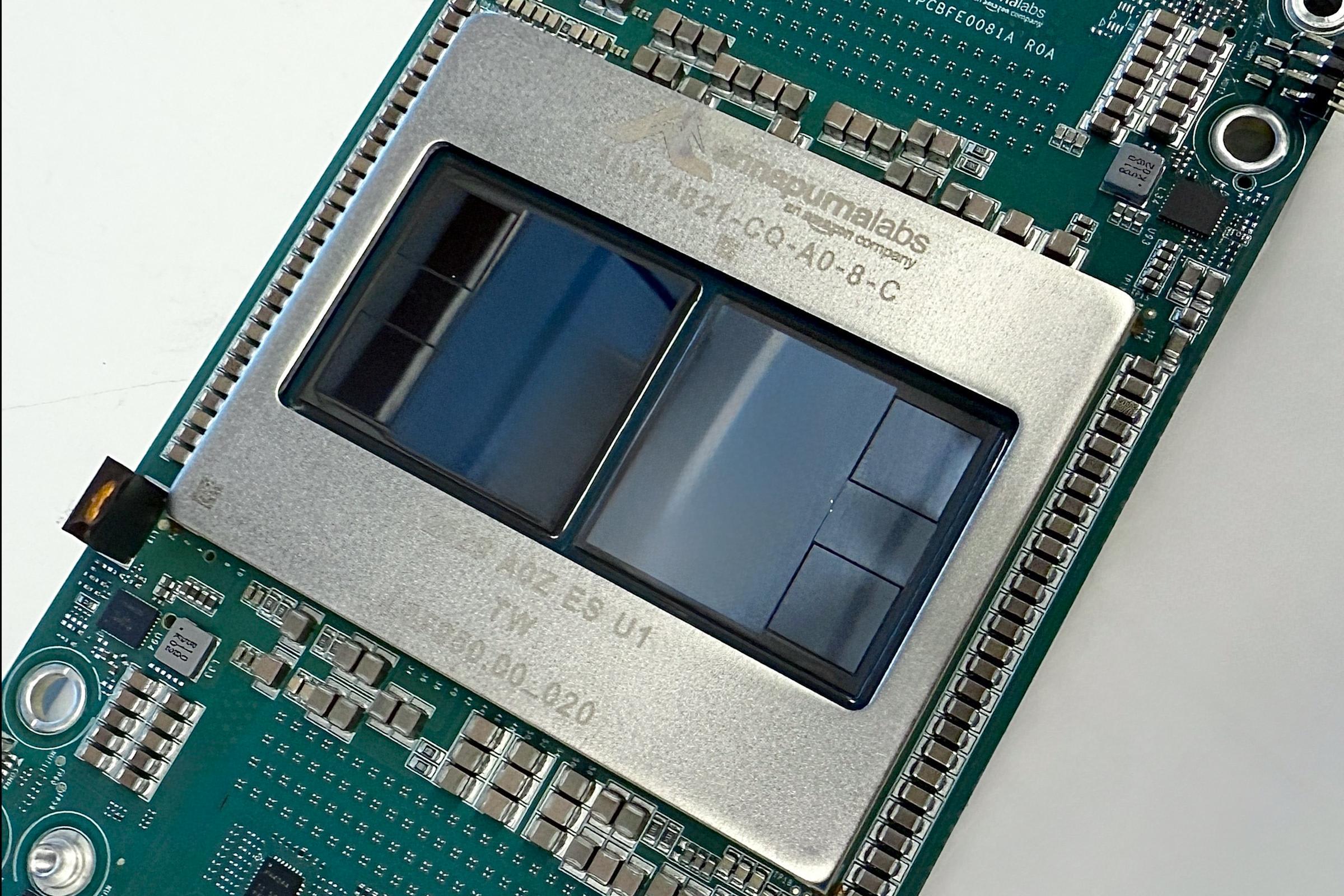
Developers of advanced AI models require enormous numbers of high-performance processors. These chips are installed in data centers that provide computing capacity for training models, running applications, and processing information.
However, purchasing such equipment requires substantial upfront investment. Consequently, cloud companies increasingly rely on banks, investment firms, and specialist lenders to finance their infrastructure.
The arrangement works partly because expensive AI processors retain resale value.
For example, Nvidia's H100 and H200 chips remain valuable even after newer processors enter the market. Hardware pricing data from Compute Credit Index Research shows that some configurations continue attracting strong demand in the secondary market.
This gives lenders a measure of financial protection. If a borrower defaults, creditors may recover the servers and sell them to another operator.
Recovering equipment from an ordinary data center is relatively straightforward compared with retrieving hardware from orbit.
A lender financing servers installed in Texas could potentially take legal possession of the equipment, arrange collection, and resell it.
However, the same process becomes extremely difficult when the chips are installed aboard satellites hundreds of miles above Earth.
A satellite in low Earth orbit may travel at approximately 17,500 miles per hour. Recovering its processors would require specialised spacecraft, suitable retrieval equipment, and substantial additional spending.
In many cases, recovery might cost more than the equipment itself.
This changes how lenders assess the risk of financing orbital computing infrastructure.
Even if the hardware continues operating successfully, creditors may have little practical ability to recover their collateral if the business runs into financial difficulties.
That concern appears to be driving the reported restrictions surrounding SpaceX's chip financing arrangements.
The company has been investing heavily in AI computing infrastructure, particularly facilities on Earth. Its growing ground-based operations require substantial numbers of Nvidia processors.
According to earlier Reuters reporting, SpaceX had explored raising approximately $40 billion to purchase AI chips, including a combination of bank financing and investment-grade debt.
The financing could help accelerate the company's terrestrial computing expansion while supporting its broader artificial intelligence ambitions.
However, lenders want greater certainty about where the equipment will operate and whether it can be recovered.
The disagreement highlights a challenge that orbital data center developers may encounter even after solving their engineering problems.
To secure affordable financing, companies may need to provide alternative guarantees, stronger revenue commitments, or other assets that lenders can recover more easily.
Otherwise, borrowing costs could be higher than those faced by conventional data center operators.
For an industry already dealing with expensive rockets, specialised hardware, and complex maintenance requirements, additional financing costs could become a significant disadvantage.
Can SpaceX and Google Make Orbital AI Computing Affordable?
SpaceX is among several companies exploring the possibility of placing AI computing infrastructure in orbit.
Elon Musk has repeatedly argued that space could eventually become a cheaper location for operating data centers, partly because satellites can access solar energy without relying on terrestrial electricity infrastructure.
The concept is attractive as demand for AI computing continues growing.
Traditional data center projects require large amounts of land, reliable power supplies, cooling systems, and network infrastructure. In some regions, companies face long delays securing electricity connections or approval for new facilities.
Local opposition has also increased as communities raise concerns about energy consumption, water use, and environmental effects.
Orbital data centers could potentially avoid some of those land and electricity constraints.
However, operating computers in space introduces different challenges.
Equipment must survive launch vibrations, radiation exposure, extreme temperature changes, and limited opportunities for physical repairs.
Cooling is particularly difficult because spacecraft cannot rely on ordinary air circulation to remove heat.
Instead, orbital computing systems must use specialised thermal management equipment to radiate heat into space.
Launch costs present another major obstacle.
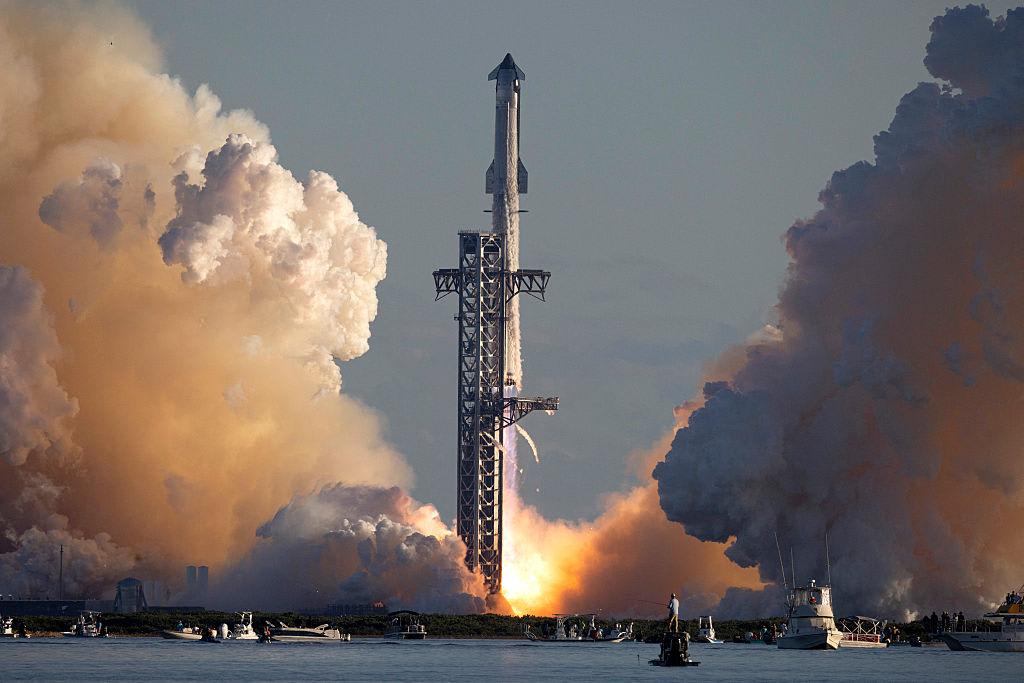
SpaceX hopes its Starship rocket will eventually transport large payloads at a fraction of today's launch costs. However, the company has not yet demonstrated the fully reusable operating model needed to support its most ambitious cost projections.
Recent testing has shown progress, including the return of an upper stage to the company's Texas launch facility. Nevertheless, additional development is required before rapid and routine reuse becomes commercially established.
Other companies are pursuing different approaches.
Google's Project Suncatcher is investigating whether its Tensor Processing Unit chips can support AI computing in orbit.
Unlike companies purchasing large quantities of third-party GPUs, Google develops its own AI processors. This could provide greater control over hardware design and procurement.
The company has already tested its technology in space, with an early prototype satellite successfully carrying out computing workloads.
However, these experiments remain far removed from operating a large commercial data center in orbit.
Google is also developing plans with Blue Origin for future satellite launches, showing that its ambitions extend beyond initial testing.
Meanwhile, emerging companies such as StarCloud, Sophia Space, and other orbital computing developers are investigating how space-based infrastructure could support specialised AI workloads.
Their projects face many of the same financial questions confronting SpaceX.
A satellite-based data center needs expensive processors, launch services, communication systems, and ongoing operational support. Investors will want evidence that revenue can eventually cover those costs.
SpaceX is also exploring the possibility of manufacturing more of its own chips through the planned Terrafab semiconductor project.
However, building an advanced chip manufacturing facility requires enormous capital investment, technical expertise, and years of development.
The project has not yet reached commercial production, meaning SpaceX remains dependent on existing semiconductor suppliers for its immediate computing needs.
For now, terrestrial data centers retain an important financial advantage. Their hardware can be maintained, upgraded, relocated, and recovered without launching a spacecraft.
That flexibility supports existing financing models and gives lenders greater confidence in the value of their collateral.
Orbital computing companies will need to demonstrate that the benefits of operating in space can outweigh those disadvantages.
The latest dispute surrounding SpaceX shows that technological progress alone may not be enough to make space data centers commercially viable.
Investors must also develop financing arrangements that account for equipment they cannot easily retrieve.
As of November 20, 2026, the reported lending restrictions have not been confirmed as final conditions accepted by SpaceX.
However, the underlying concern is already clear. The future of orbital AI computing depends as much on financial engineering as it does on rockets, processors, and satellite technology.
If the industry cannot find an affordable way to finance its hardware, space data centers may remain technically possible but commercially difficult to expand.