Nvidia Faces California Subpoena Over Jensen Huang's China Ties and Investor Disclosures
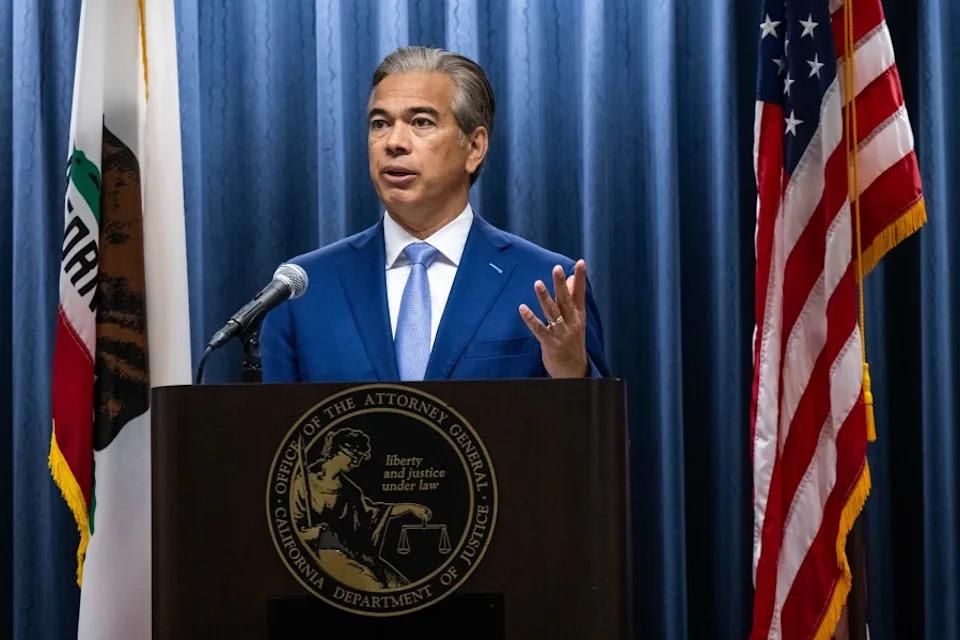
The Nvidia California investigation has intensified after Attorney General Rob Bonta issued an investigative subpoena to the AI chipmaker over concerns involving former CEO Jensen Huang and his reported relationship with a woman suspected of working for Chinese intelligence. The inquiry rais.es serious questions about whether Nvidia's advanced technology or confidential information may have reached China.
The subpoena, served on November 19, 2026, marks another major development in the growing legal and regulatory scrutiny surrounding Nvidia. California authorities want to determine whether the company failed to protect sensitive technology and whether it misled investors about potential national security risks.
Bonta confirmed that his office is examining whether Nvidia or Huang's conduct allowed China to obtain restricted AI chips or confidential business information. Investigators will also review whether the company's public statements accurately disclosed relevant risks.
The development comes just over a week after Huang resigned as Nvidia's chief executive following revelations about extramarital relationships, including one involving Alice Huang, a former executive at Singapore-based cloud computing company Megaspeed.
US intelligence officials suspect Alice Huang may have links to China's Ministry of State Security. However, those suspicions remain under investigation, and China has rejected allegations that she participated in an espionage operation.
For Nvidia, the California subpoena adds another layer of uncertainty at a time when the company is already facing federal investigations, congressional scrutiny, and questions about its leadership.
Why California Launched the Nvidia Investigation Over China Security Concerns
California Attorney General Rob Bonta announced the investigation after reviewing reports concerning Jensen Huang's personal relationships and their potential implications for Nvidia's business.
The state's central concern is whether those relationships created opportunities for sensitive American technology or confidential information to reach Chinese authorities.
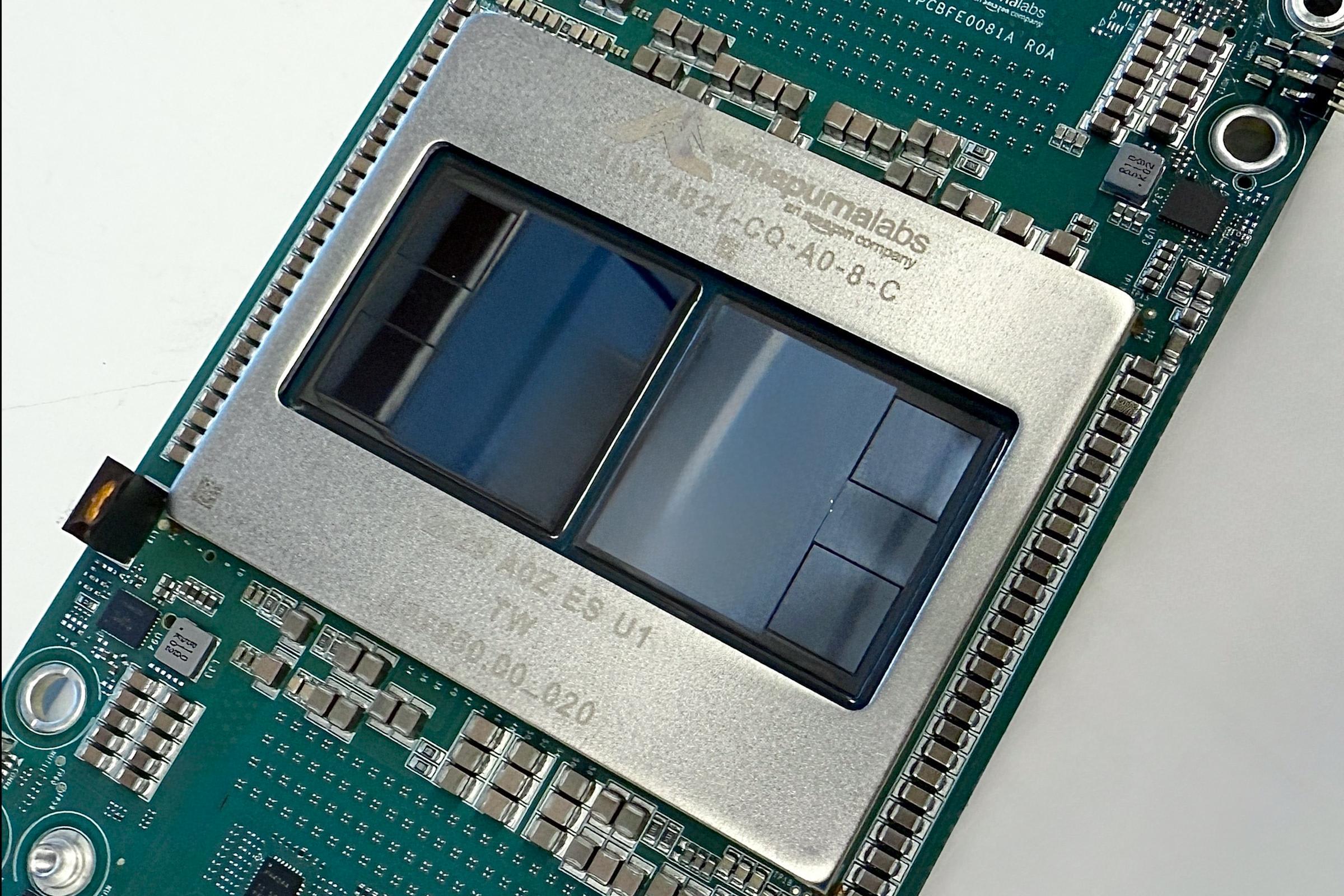
Nvidia manufactures some of the world's most advanced graphics processing units, which power artificial intelligence systems, cloud infrastructure, and scientific research.
Its processors have become particularly valuable because they provide the computing power needed to train and operate large AI models.
However, the same technology can also support sensitive military, intelligence, and cybersecurity applications. As a result, the United States restricts exports of certain advanced semiconductors to China.
These restrictions have made Nvidia's relationships with Chinese customers and international technology partners an important national security issue.
California investigators now want to establish whether any of Nvidia's activities created risks that were not properly disclosed.
Bonta's office is also examining whether investors received accurate information about those risks.
The attorney general has emphasised that publicly traded companies have legal responsibilities to provide truthful information about matters that could affect their businesses.
According to the California Department of Justice, the investigative subpoena will help determine whether Nvidia violated state law.
Importantly, issuing a subpoena does not establish that Nvidia or its former chief executive committed wrongdoing. It gives investigators a formal way to obtain information and assess whether further legal action is justified.
The inquiry follows reports that Huang maintained a relationship with Alice Huang, who previously worked at Megaspeed.
Megaspeed has separately faced US scrutiny over concerns that advanced Nvidia chips may have been diverted to China through international data centre operations.
The company's activities have been under investigation by American authorities, including the Commerce Department.
However, the existence of that investigation does not prove that Megaspeed illegally transferred chips or that Nvidia knowingly supported any prohibited activity.
Alice Huang's alleged intelligence connections also remain disputed.
US officials are examining the extent of her possible relationship with China's intelligence services and whether any confidential information may have been shared.
Beijing has rejected claims that the relationship formed part of a Chinese espionage operation.
The controversy became public during a difficult period for Nvidia's leadership.
Huang resigned on November 12 after reports about several extramarital relationships, including two involving Nvidia employees.
His departure triggered widespread debate about corporate governance, executive accountability, and the future leadership of one of the world's most important technology companies.
Some industry figures, including Elon Musk, publicly supported bringing Huang back as chief executive. They argued that his leadership had been important to Nvidia's growth and the wider AI industry.
However, Nvidia's new chairman, Harvey Jones, has indicated that the board does not intend to reinstate Huang.
The company has also taken steps to strengthen oversight of national security and export-control compliance.
Its board established a dedicated committee to review sensitive regulatory issues and improve governance.
Nevertheless, California's investigation shows that internal reforms have not ended the questions facing the business.
Authorities are now examining whether the company's previous actions complied with legal requirements and whether investors were given sufficient information.
How Nvidia's California Subpoena Could Affect Its Legal and Business Future
The California investigation is developing alongside several federal inquiries into Nvidia's activities.
The US Securities and Exchange Commission is reportedly examining whether the company made adequate disclosures about risks involving its former chief executive and China-related business relationships.
Congressional lawmakers are also seeking additional information about Nvidia's handling of sensitive technology and its interactions with federal officials.
Huang has agreed to testify before Congress, where lawmakers are expected to question him about his relationships, Nvidia's security arrangements, and the company's dealings involving China.
Meanwhile, congressional committees have expressed concerns about American semiconductor export policies.
On November 19, the House Foreign Affairs Committee reported that the Trump administration had authorised shipments involving nearly 900,000 advanced Nvidia and AMD AI chips to Chinese companies between December 2025 and May 2026.
However, it remains unclear how many of those approved chips were actually delivered.
Nvidia has said the approvals involved strict conditions and limited quantities. The company also stated that it had stopped shipping H200 processors to China.
The dispute highlights the difficult balance facing American semiconductor companies.
China remains an important potential market for advanced computing technology. However, US export restrictions limit which products can be sold and under what conditions.
For Nvidia, compliance with those rules is especially important because its processors are central to the global AI industry.
Any confirmed violation could expose the company to legal consequences, financial penalties, or tighter regulatory oversight, depending on the findings.
However, investigators have not established that Nvidia violated California securities laws or unlawfully transferred advanced technology through the conduct described in the subpoena.
The latest developments could also influence investor confidence.
Public companies are expected to disclose material risks that could affect their financial performance, operations, or legal responsibilities.
If regulators determine that relevant information was withheld or inaccurately presented, Nvidia could face additional scrutiny over its corporate disclosures.
At the same time, investors will be watching how the company's leadership responds to ongoing investigations.
Nvidia remains a major supplier of AI computing infrastructure, and its technology continues to play an important role in the development of advanced artificial intelligence systems.
However, its position in the market does not remove the need for transparent governance and compliance with export restrictions.
The California inquiry also reflects growing attention to the responsibilities of technology executives whose companies operate in strategically sensitive industries.
Personal relationships do not automatically establish a national security breach. However, authorities may investigate whether those relationships created access to information or commercial arrangements that required additional safeguards.
For Bonta's office, the immediate priority is collecting evidence and determining whether Nvidia's conduct violated California law.
The next developments will depend on the documents and information obtained through the subpoena, alongside findings from separate federal investigations.
As of November 20, no final determination has been announced.
For Nvidia, the investigation represents another challenge during a period of significant leadership and regulatory uncertainty.
The outcome could affect how the company manages sensitive international relationships, communicates risks to shareholders, and strengthens internal oversight.
More broadly, the case demonstrates how closely corporate governance, national security, and investor protection have become connected in the AI industry.
With advanced semiconductors at the centre of US-China technology competition, Nvidia's handling of the investigation will remain under close attention from regulators, lawmakers, and investors.