Nvidia Reinstates Jensen Huang as CEO After Trump Pressure, Shares Surge 33%
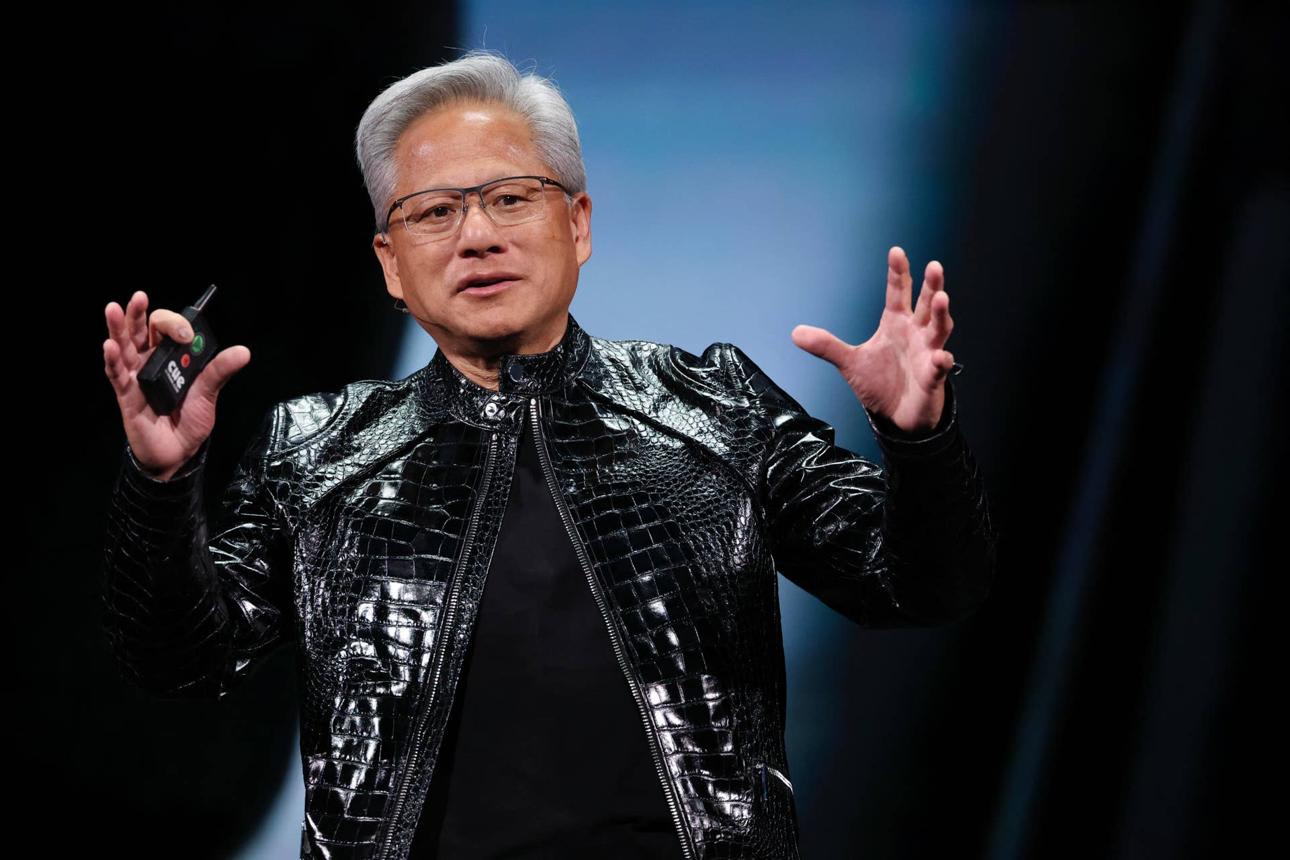
Nvidia reinstates Jensen Huang as CEO in a stunning leadership reversal that has sent the chipmaker's shares soaring and renewed investor confidence in the company behind the global artificial intelligence boom. The decision, announced on November 23, 2026, comes less than two weeks after Huang resigned amid controversy surrounding his personal relationships and possible national security concerns.
The company's board voted unanimously to restore Huang as president, chief executive officer, and a member of the board. The decision followed discussions with the Nvidia co-founder and consultations involving senior US government officials.
President Donald Trump, who had publicly supported Huang's return, welcomed the announcement. He described the reinstatement as the correct decision and said the US government had found no evidence that Huang's return presented a national security threat.
Investors responded immediately. Nvidia shares surged approximately 33% in early trading, reversing some of the losses recorded during the leadership crisis. The rally also lifted other technology stocks as investors regained confidence in the AI industry.
However, Huang's return does not bring an end to the questions facing Nvidia. The company remains under scrutiny over its compliance with US semiconductor export restrictions, while an independent board investigation into possible foreign intelligence activity is continuing.
The reinstatement has also raised a wider corporate governance question. Nvidia's market position has grown enormously under Huang, but the speed of his return suggests investors and board members remain deeply concerned about the company's ability to operate without its influential co-founder.
Why Nvidia Reinstated Jensen Huang After His Sudden Resignation
Jensen Huang's departure on November 12 created an immediate leadership challenge for Nvidia.
The executive had helped build the company from a graphics processor manufacturer into a leading supplier of computing infrastructure used to develop and operate AI systems.
His influence extended beyond product development. Huang maintained important relationships with technology companies, semiconductor manufacturers, investors, and policymakers in Washington.
Consequently, his resignation created uncertainty at a time when Nvidia was already dealing with difficult questions about export controls, customer demand, and its business in China.
The controversy began after reports of extramarital relationships, including one involving a businesswoman suspected by US authorities of having connections to Chinese intelligence.
China has denied the espionage allegations, and Reuters has not independently verified those claims.
Nvidia's board previously said it had no reason to believe that company secrets or American national security had been compromised.
Nevertheless, the reports raised concerns about whether Huang could have been targeted by a foreign intelligence operation.
The board accepted his resignation and appointed Chief Financial Officer Colette Kress as interim CEO.
Harvey Jones became board chairman and initially indicated that Huang would not return to his former position.
That position changed following growing pressure from investors, employees, and influential figures in the technology industry.
A petition supporting Huang's reinstatement attracted more than 180,000 signatures, including support from Tesla and SpaceX chief executive Elon Musk.
The campaign reflected the unusual loyalty Huang has developed during his decades at Nvidia.
Trump also became involved in the debate, publicly urging Nvidia to reconsider its decision.
The president argued that Huang's leadership remained valuable to the company and the American technology industry.
On November 23, Nvidia announced that the board had reversed its earlier position.
According to the company's official statement, directors held further discussions with Huang and concluded that they were satisfied with his candour and ability to lead.
The board also received information from senior US government officials before determining that his return did not present a national security risk.
Jones said the directors believed Huang was the appropriate person to lead Nvidia and that restoring him was in the interests of shareholders, employees, customers, and business partners.
Huang welcomed the decision and thanked the board, Kress, company employees, and supporters for their confidence.
Following the reinstatement, Kress will continue serving as executive vice president and chief financial officer, while Jones remains chairman.
The leadership changes restore Nvidia's previous executive structure, although the company's oversight arrangements are becoming more extensive.
What Jensen Huang's Return Means for Nvidia Stock, AI Growth and US Security
The financial markets responded strongly to the announcement.
Nvidia shares jumped approximately 33% during early trading on November 23, reflecting investor relief over the company's leadership direction.
The rally also contributed to broader gains across US technology stocks, including semiconductor manufacturers and businesses connected to AI infrastructure.
Nvidia's importance to the industry helps explain the reaction.
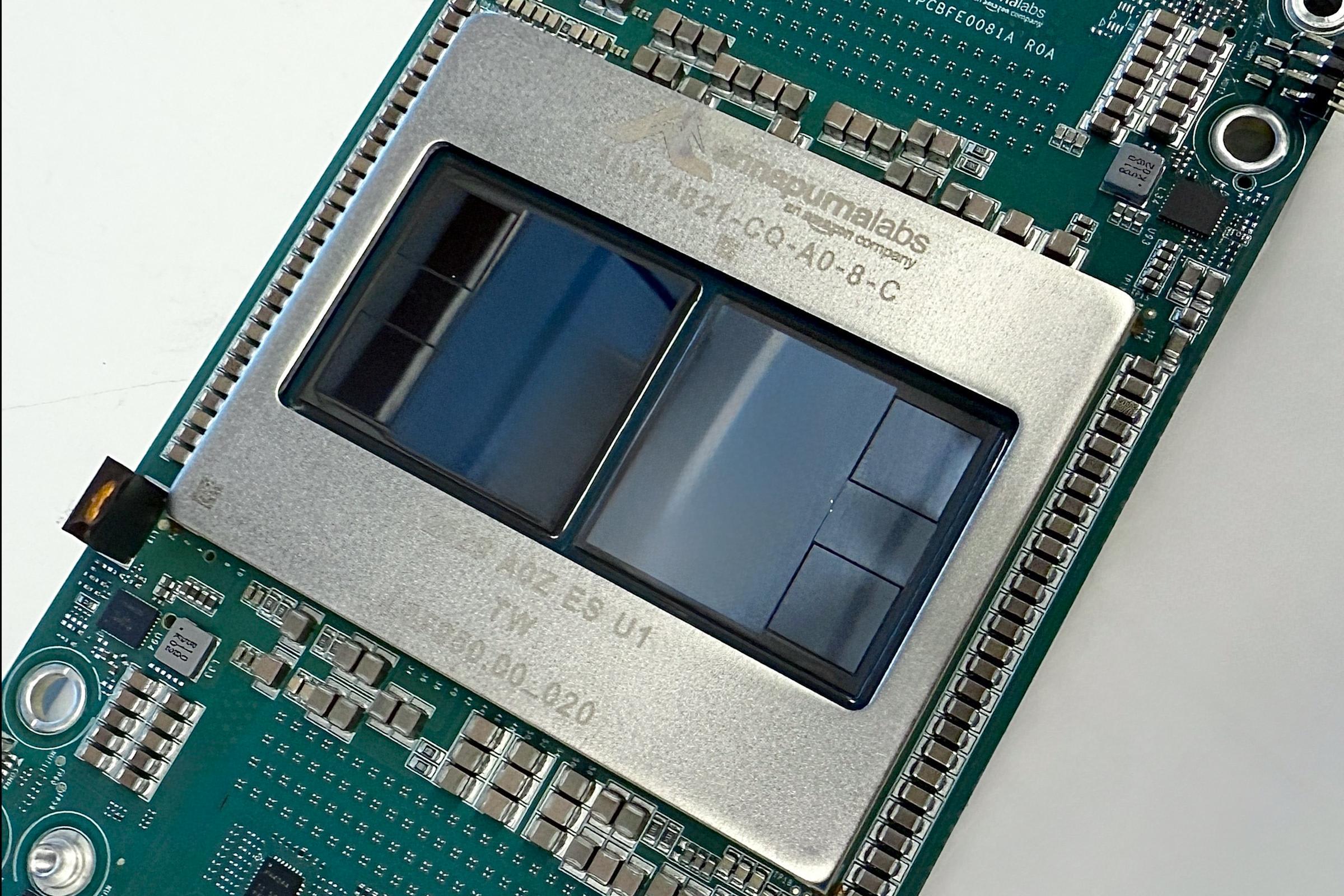
Its processors power many of the computing systems used by leading AI developers, cloud providers, and enterprise technology companies.
The company's products also support applications in robotics, autonomous vehicles, scientific research, and advanced industrial computing.
For investors, Huang has become closely associated with Nvidia's technology roadmap and ability to compete in these markets.
His return removes an important source of uncertainty, but it also highlights the risks of relying heavily on a single executive.
Large publicly traded companies are generally expected to have leadership structures capable of handling unexpected departures.
Nvidia's experience demonstrates how difficult that transition can become when a founder has remained central to strategic decisions for more than three decades.
However, restoring Huang does not eliminate the investigations surrounding the company.
Nvidia is facing government inquiries involving matters that include export-control compliance and allegations of improper semiconductor shipments.
Reuters has also reported scrutiny involving possible accounting concerns.
These investigations are separate from the board's decision to reinstate Huang. Their existence does not establish that the company or its executives have violated the law.
The board has confirmed that an independent committee will continue investigating whether foreign intelligence efforts targeted Huang.
Independent legal advisers have been retained to assist the investigation.
Nvidia has also established a National Security and Export Control Committee composed entirely of independent directors.
Its responsibilities include overseeing compliance with US trade restrictions and monitoring risks involving sensitive semiconductor technology.
In addition, the company is beginning a search for a chief compliance officer.
The new executive will oversee compliance activities across Nvidia and report to the board's Nominating and Corporate Governance Committee.
These measures indicate that the board intends to strengthen its oversight while allowing Huang to resume leadership.
That balance will be important because Nvidia's international business remains exposed to political uncertainty.
The company has spent years navigating restrictions on sales of advanced AI processors to China.
Although the rules have limited access to some of its most powerful products, Nvidia has continued developing export-compliant chips for customers that need AI computing equipment.
Recent reporting showed that revenue from customers headquartered in China and Hong Kong increased substantially during 2026.
However, Huang's resignation had unsettled some Chinese customers, with reports of cancelled or delayed orders amid concerns about additional US restrictions.
His reinstatement may help restore confidence among those business partners.
Nevertheless, the decision does not guarantee that Washington will maintain existing semiconductor export rules.
Trump has supported Huang's return while also calling for Nvidia to continue examining its compliance with national security requirements.
Lawmakers are considering whether restrictions should extend to a wider range of processors, including chips used in robotics and other autonomous systems.
For Nvidia, maintaining strong relationships with policymakers will remain important, regardless of who leads the company.
The board's decision also raises questions about how it will handle future disagreements involving senior executives.
Directors must demonstrate that leadership decisions follow consistent standards and that investigations can proceed independently of commercial pressures.
Otherwise, investors may question whether the financial importance of a chief executive can outweigh concerns about governance.
The immediate market reaction shows that shareholders welcomed Huang's return. However, a sharp increase in Nvidia's share price does not resolve the longer-term risks surrounding oversight, trade policy, and regulatory compliance.
As of November 23, 2026, Huang has officially resumed his duties as Nvidia's president and CEO. Kress has returned to her continuing role as finance chief, and Jones remains chairman.
The company's immediate leadership crisis has therefore ended, but the investigations and regulatory challenges continue.
For Nvidia, the next test will be demonstrating that Huang can restore business confidence while supporting stronger independent oversight.
His return gives the chipmaker an experienced leader at a critical moment for artificial intelligence. Yet the developments of November have also shown why even the world's most valuable technology companies need governance systems capable of functioning beyond the influence of one individual.