Meta Muse AI Arrives in Instagram DMs With New Shopping and Planning Features
Meta Muse AI is now available inside Instagram direct messages, allowing users to turn posts, Reels and saved content into practical tasks without leaving the social media app. The new integration, announced on November 24, 2026, brings Meta's personal AI assistant closer to the conversations and content people already engage with every day.
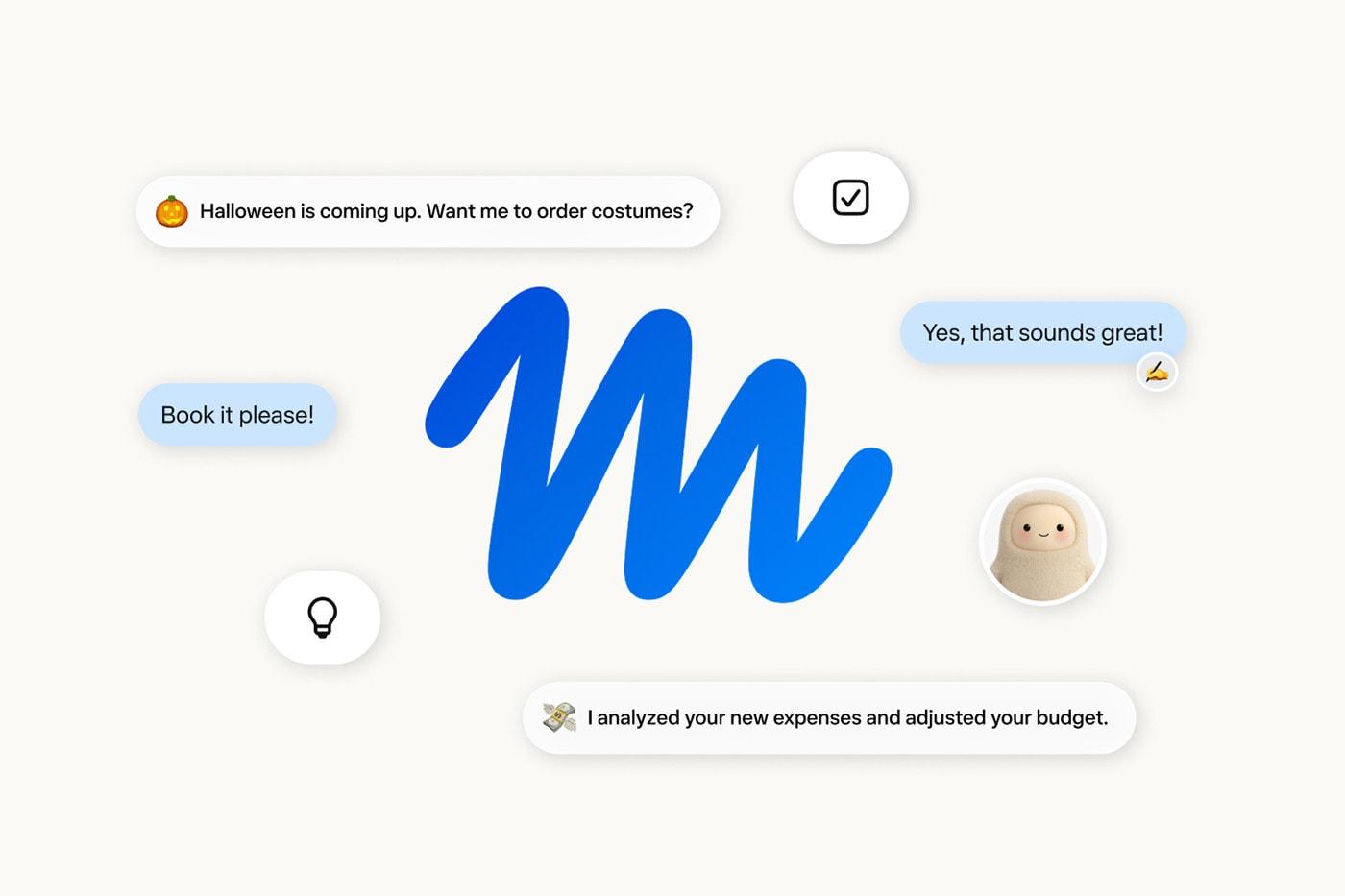
The feature allows Instagram users to start a direct message conversation with Muse, share content and ask the assistant for more information. They can also use it to plan activities, research products and organise ideas collected while browsing.
For example, someone who discovers a coffee shop on Instagram could ask Muse to add it to a travel itinerary. Another user could share a pair of shoes and ask the assistant to look for a Black Friday discount.
The update removes the need to open the separate Muse app for these interactions. Instead, users can access the assistant directly from Instagram, although their conversations will also appear in the main Muse app as a separate chat.
Meta is introducing the integration gradually across five markets: the United States, Canada, Mexico, Japan and Singapore. The rollout begins on November 24 for eligible Instagram users on iOS and Android.
The company is also expanding Muse's ability to work with saved posts and Reels. Users will be able to organise bookmarked content into collections, create shopping lists from recipe videos and develop travel plans from posts they have saved.
These changes reflect Meta's ambition to make artificial intelligence useful beyond answering questions. Rather than requiring people to remember information or manually organise their saved content, Muse is designed to help turn online discoveries into actions.
However, the closer connection between AI assistants and personal social media activity also raises questions about privacy, accuracy and user control.
How Meta Muse AI Works Inside Instagram Direct Messages
Instagram has become an important platform for discovering products, restaurants, travel destinations and everyday inspiration. However, finding useful content and acting on it often involve several separate steps.
Someone planning a holiday, for instance, might save restaurant recommendations, hotel videos and travel guides from different Instagram accounts.
Later, they may need to search through those posts, compare options and manually build an itinerary.
Meta wants Muse to make that process easier.
With the new integration, users can share an Instagram post directly with the assistant and ask questions about its contents. Muse can then provide additional context or help organise the information into a practical plan.
For example, a user planning a visit to Mexico City could share a restaurant recommendation and ask Muse to include it in a proposed travel schedule.
The assistant could also help research information related to a product discovered through Instagram.
During the Black Friday shopping period, someone might share a fashion post and ask Muse to look for a discount on similar shoes.
However, shoppers should still check prices, product availability and retailer details before making purchases. AI-generated recommendations may contain outdated or incomplete information.
Muse can also help users catch up on conversations they may have missed in their Instagram direct messages.
That capability is intended to make managing conversations easier, particularly for people who receive many messages.
However, access to private message information depends on the permissions and controls available to the user. The feature should not be interpreted as allowing Muse unrestricted access to every private conversation.
Meta has designed the integration so that conversations started in Instagram can continue in the dedicated Muse application.
This means users can begin asking questions while browsing Instagram and return to the same interaction later through Muse.
The experience is intended to reduce interruptions caused by switching between different applications.
The company has also announced a separate expansion involving saved content.
Instagram users frequently bookmark posts they want to revisit, but many never return to the material they have collected.
A saved collection might contain dozens of recipes, travel ideas, home decoration projects or fashion recommendations.
Over time, finding one particular post can become difficult.
Muse is being introduced as a way to organise that information.
For example, users can ask the assistant to group saved posts into custom Collections based on topics or interests.
Someone who has bookmarked several cooking videos could ask Muse to organise them into recipe categories.
The assistant can also turn a recipe Reel into a grocery list, making it easier to prepare the meal without manually reviewing the video for ingredients.
Similarly, travel enthusiasts can use saved posts from their favourite creators to develop itineraries for upcoming trips.
Fashion users may ask Muse to suggest outfits based on styles and products featured in their bookmarked Reels.
Starting November 24, eligible users in the United States and Canada will see a prompt offering Muse's assistance when they save an Instagram post.
This saved-content feature has a narrower launch area than the direct messaging integration, which is expanding across five countries.
The distinction matters because not every user who receives Muse in Instagram DMs will immediately have access to the same saved-content tools.
Why Meta Is Bringing Muse AI Into Everyday Instagram Activity
The Instagram integration reflects a growing competition among technology companies to make AI assistants part of everyday online behaviour.
For several years, consumer AI products have largely focused on answering questions, generating text and helping people research information.
However, companies are increasingly developing AI agents that can carry out tasks across different applications.
Meta introduced Muse earlier in 2026 as a personal assistant designed to connect with the digital services people already use.
Its capabilities include helping users manage information, organise activities and complete certain tasks through connected applications.
The company has since expanded the product with features such as voice interactions, custom workspaces and tools for contacting businesses.
Bringing Muse into Instagram gives Meta access to an environment where users already share interests, discover products and communicate with friends.
That creates opportunities to make AI assistance more relevant to individual activities.
For example, a generic shopping assistant may need a user to explain what they are looking for. Muse can instead begin with the specific Instagram content a user chooses to share.
This could make product recommendations and planning tasks feel more connected to people's interests.
The integration may also create commercial opportunities for Meta.
Instagram already plays an important role in product discovery, advertising and influencer marketing.
If Muse helps people move from discovering a product to comparing prices or preparing to purchase it, the assistant could become another part of the online shopping experience.
However, Meta has not announced that the new Instagram integration will automatically complete purchases or make financial commitments without user approval.
The company says users remain in control of actions taken through Muse.
According to Meta, the assistant will not publish content, send messages or share information on a user's behalf without approval.
Users can also ask Muse to forget information or reverse supported actions.
These controls will be important as the assistant becomes more closely connected to personal messages and saved content.
AI agents can be useful when they understand context, but that same capability can create privacy concerns.
People may share sensitive details in private conversations or save posts involving personal plans, relationships and purchases.
Consequently, users need to understand which information the assistant can access and how it uses that information.
Meta has published privacy explanations stating that interactions containing private messages are not used to develop and improve its AI models.
However, users should still review the permissions associated with Muse and its connected applications.
The company also faces pressure to ensure that AI-generated responses are reliable.
An inaccurate travel recommendation could send someone to the wrong location, while an incorrect product description could influence a purchasing decision.
Those risks become more important as AI assistants move from providing information into helping users perform tasks.
For Meta, the success of the Instagram integration will depend on whether users find the assistant genuinely helpful during their normal activities.
The company has not disclosed how many Instagram users are expected to adopt the new feature or how frequently they will use Muse through direct messages.
As of November 24, 2026, the DM integration is beginning its rollout in five countries, while the expanded saved-content features are launching in the United States and Canada.
The announcement marks another step towards turning Instagram into a platform where users can act on the ideas they discover.
For consumers, the immediate benefit is greater convenience. Instead of saving content and returning to it later, they can ask Muse to help organise, research or develop those ideas while they are still browsing.
The longer-term question is whether AI assistants can become dependable enough to manage everyday digital tasks while respecting the privacy and choices of the people using them.